

Key Takeaways
Start here
Your Owner's Manual: The Most Underused Tool You Already Have
Next
Routine Maintenance You're Responsible For
Then
Paperwork, Registration, and Insurance
When you're ready
Warning Signs You Shouldn't Ignore
Long term
Building Habits That Protect Your Investment
Your Owner's Manual: The Most Underused Tool You Already Have
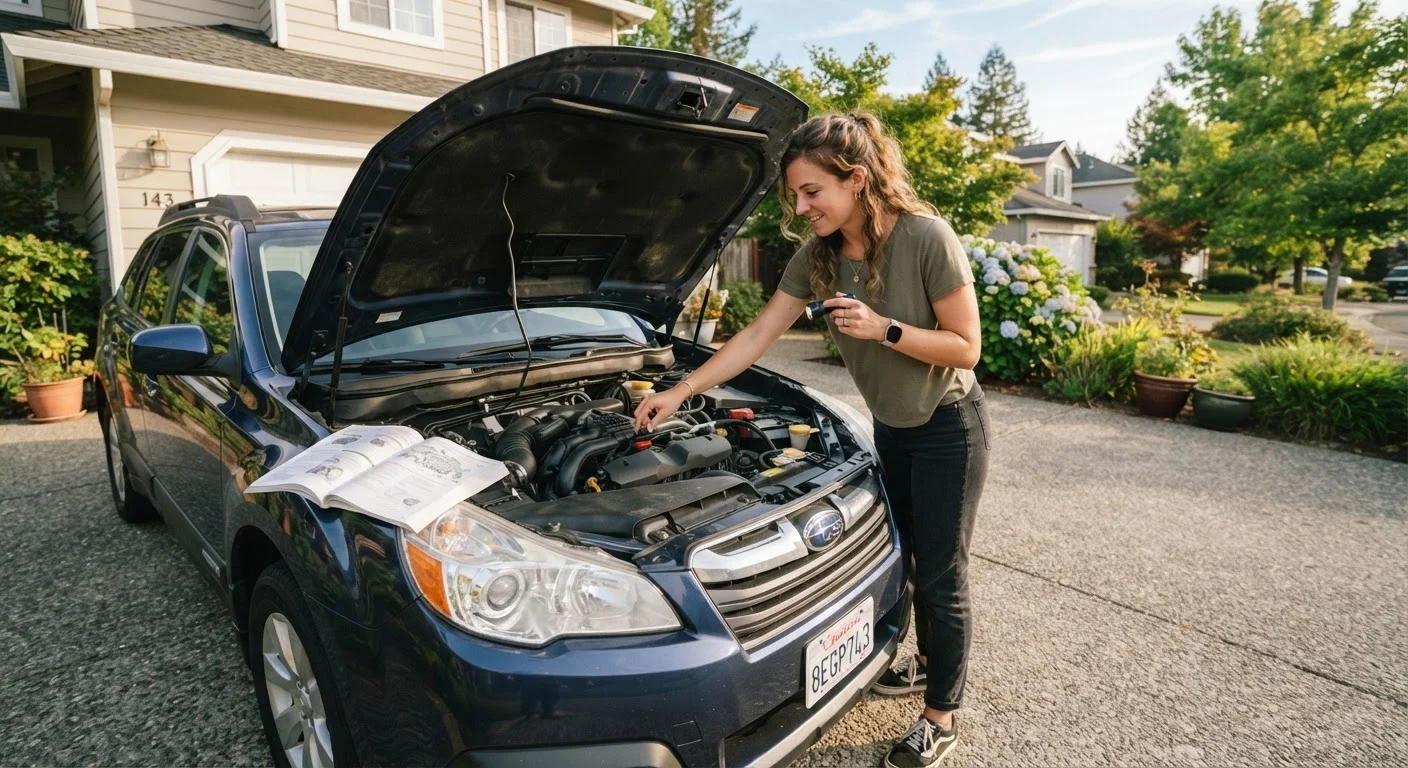
Most new car owners flip through the owner's manual once and toss it in the glove box. That's a missed opportunity. The manual is the manufacturer's direct guidance for your specific vehicle - covering everything from recommended fuel grade to maintenance intervals to what every dashboard symbol means.
Before anything else, spend 20 minutes with it. Note the oil type and change interval, the tire pressure specification (found on the driver's door sticker), and the maintenance schedule. These figures are more accurate than general advice you'll find online, because they're calibrated to your engine and drivetrain.
Preventive maintenance
Scheduled upkeep performed before problems occur - such as oil changes and tire rotations - to keep a vehicle running reliably and avoid costly repairs.
Liability insurance
A type of auto insurance that pays for damage or injuries you cause to other people or their property in an accident. Most states require a minimum level of it.
Vehicle title
A legal document that establishes who owns a vehicle. If you borrowed money to buy the car, the lender typically holds the title until the loan is fully repaid.
Lien
A lender's legal claim on your vehicle as collateral for a car loan. Once the loan is paid off, the lien is released and full ownership transfers to you.
Check engine light
A dashboard warning indicator that signals the vehicle's onboard diagnostic system has detected a problem. It can range from minor (a loose gas cap) to serious (engine or emissions issues).
Tire rotation
Moving tires from one position on the vehicle to another on a regular schedule so they wear evenly, which extends their life and maintains safe handling.
Many of the common early mistakes new owners make - like using the wrong oil or misunderstanding warranty terms - can be avoided simply by reading this document.
Routine Maintenance You're Responsible For
Preventive maintenance isn't optional - it's how you protect the money you've invested in your vehicle. The core tasks aren't complicated, but they need to happen on a schedule.
- Oil and filter changes: Engine oil lubricates moving parts and degrades over time. Follow your manual's interval, not a blanket rule. Synthetic oil typically lasts longer than conventional oil.
- Tire rotation and pressure: Rotating tires every 5,000-7,500 miles evens out wear. Maintaining proper inflation improves fuel efficiency and handling.
- Air filter replacement: A clogged engine air filter reduces performance. Most are inexpensive and easy to inspect annually.
- Brake inspection: Squealing or grinding noises are signs that brake pads may be worn. Have brakes inspected at least annually or when you notice changes in stopping feel.
- Fluid checks: Coolant, brake fluid, power steering fluid, and windshield washer fluid all have reservoirs under the hood with clear min/max markers. Check them monthly.
Keep a Simple Maintenance Log
A small notebook or phone note tracking each service date and mileage is one of the most useful habits a new owner can build. It removes guesswork about when services are due, helps mechanics spot patterns, and adds documented value if you ever sell the vehicle.
For a deeper look at which common maintenance beliefs are actually myths, see our article on car maintenance myths that cost drivers money.
Paperwork, Registration, and Insurance
Owning a car means staying current on legal obligations - not just mechanical ones.
Registration: Your vehicle must be registered with your state's DMV, typically renewed annually. Keep your registration sticker current; driving with expired registration can result in fines.
Title: The vehicle title proves ownership. If you financed the car, the lender holds the title until the loan is paid off. Once paid, make sure the lien is released and the title is transferred to your name.
Insurance: Nearly every state requires at least liability coverage. Driving uninsured carries serious legal and financial risk. If you're new to coverage, our first-timer's guide to auto insurance explains how coverage is structured and what you're required to carry. General information about coverage types is also available through the Auto Insurance Basics hub.
Registration and Emissions Rules Vary by State
Renewal deadlines, emissions testing requirements, and inspection protocols differ significantly from state to state - and sometimes by county. Check your state's DMV website for the rules that apply to your specific location and vehicle type. Moving to a new state typically requires re-registering your vehicle within a set window, often 30 to 90 days.
Driver's license and emissions: Keep your license current and be aware of your state's emissions inspection requirements, which vary by location. Non-compliance can affect your ability to renew registration.
Warning Signs You Shouldn't Ignore
Cars communicate problems before they become expensive. Learning to read these signals early saves money and prevents breakdowns.
- Dashboard warning lights: Red lights indicate urgent issues; yellow/orange lights are cautions. Never ignore a flashing check engine light - it typically signals a condition that could damage the engine or emissions system.
- Unusual noises: Grinding when braking, knocking from the engine, or squealing on turns all point to specific mechanical issues. Describe sounds clearly when speaking to a mechanic.
- Fluid spots under the car: A puddle beneath your parked car may indicate an oil, coolant, or brake fluid leak. Clear water (condensation from the A/C) is normal; anything else warrants attention.
- Changes in handling or pulling: If your car drifts to one side or the steering feels different, it may need a wheel alignment or tire inspection.
Don't Delay on Red Warning Lights
A red dashboard warning light - particularly for oil pressure, engine temperature, or brake system - should never be ignored or driven through. Pull over safely as soon as possible and have the vehicle inspected before driving further. Continuing to drive with these warnings active can cause serious engine or safety damage.
Building Habits That Protect Your Investment
How you treat your car day-to-day has a direct impact on how long it stays reliable. Small, consistent habits matter more than any single repair.
Check your tire pressure monthly. Glance under the hood every few weeks. Keep a log of every service visit - date, mileage, and what was done. This record helps mechanics diagnose future issues and supports resale value. It also helps you understand how your vehicle's value changes over time.
For a full look at daily and seasonal practices that extend vehicle life, see our guide on smart habits that help your car last longer. If you're heading out on the road, the Road Trips & Travel hub covers preparation specific to longer drives.
Car ownership is a long-term relationship. Approach maintenance as a routine rather than a reaction, and your vehicle will be far more likely to reward you with years of reliable service.
This article provides general information for educational purposes and is not a substitute for advice from a qualified automotive professional. Maintenance needs vary by vehicle make, model, and condition.