

Key Takeaways
Annual Wellness Visit
An annual wellness visit is a routine, preventive veterinary examination scheduled once a year — or more frequently for senior pets — to assess your animal's overall health. Unlike a sick visit, this appointment is proactive: the goal is to catch developing problems early, update vaccinations, and establish a health baseline. It typically includes a comprehensive physical exam, parasite screening, and a discussion of nutrition, weight, and behavior.
Veterinarians use the term 'wellness exam' to distinguish these visits from diagnostic or treatment appointments; the American Veterinary Medical Association (AVMA) recommends at least annual exams for adult pets and more frequent visits for seniors and young animals.
More Than a Checkup: What the Exam Actually Involves
Many pet owners think of the annual vet visit primarily as a vaccine appointment. In reality, vaccinations may take only a few minutes of the visit. The centerpiece is a comprehensive physical examination — a systematic, head-to-tail assessment of your pet's body that a trained veterinarian uses to detect abnormalities that aren't yet causing visible symptoms.
The exam typically follows a consistent sequence:
- Eyes and ears: The vet checks for discharge, inflammation, cloudiness, or signs of infection. Early cataracts, ear mites, and chronic infections are often caught here.
- Mouth and teeth: Dental disease is one of the most common — and underappreciated — health problems in companion animals. The vet evaluates gum color, tartar buildup, tooth fractures, and signs of periodontal disease.
- Lymph nodes and neck: Enlarged lymph nodes can signal infection, inflammation, or in some cases more serious conditions like lymphoma.
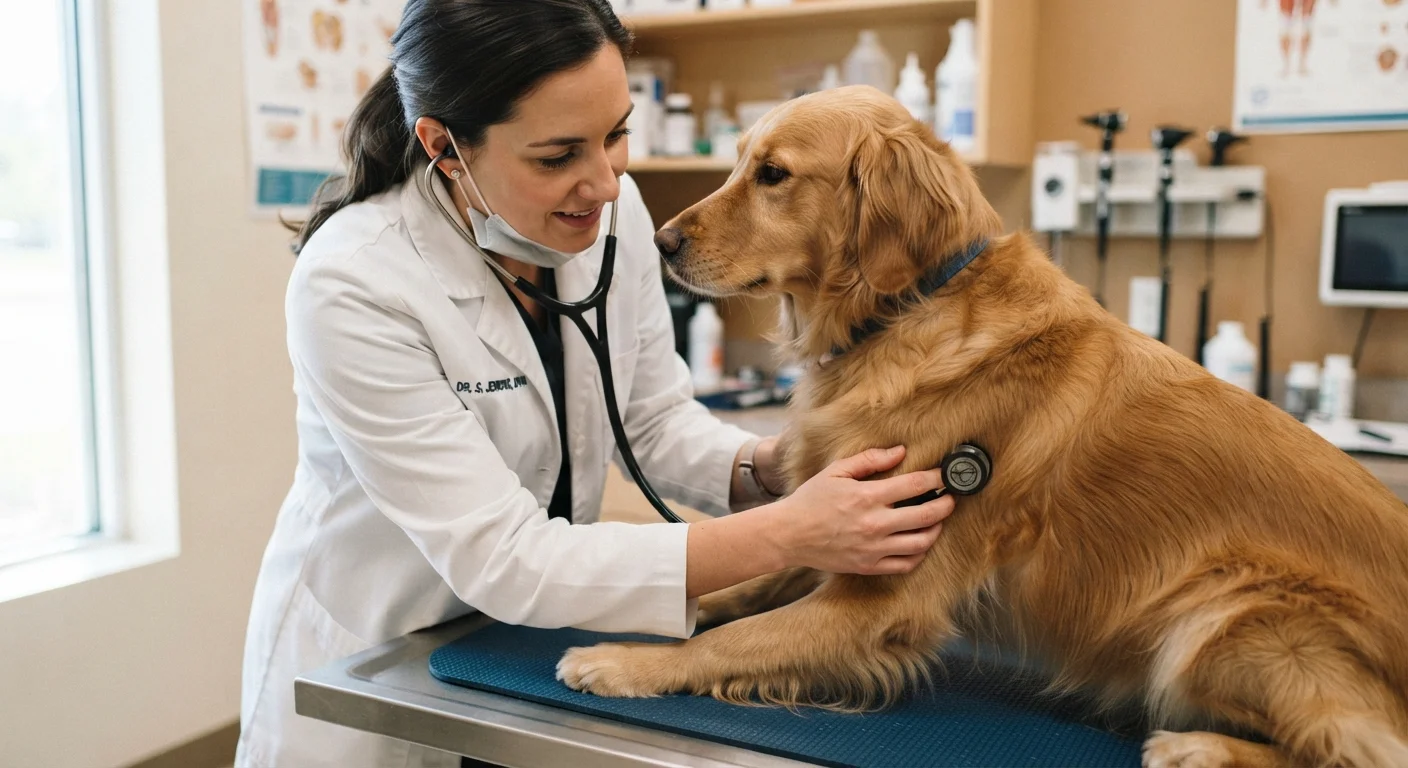
- Heart and lungs: Using a stethoscope, the vet listens for murmurs, arrhythmias, or abnormal breath sounds. Heart murmurs detected at this stage often allow for earlier, more effective management.
- Abdomen: Palpation of the abdomen helps assess organ size and detect masses, pain responses, or fluid accumulation in the belly.
- Skin and coat: The vet looks for lumps, parasites, hair loss, and skin lesions — some of which can be early indicators of endocrine disorders like hypothyroidism.
- Musculoskeletal system: Range of motion, muscle mass, and joint comfort are evaluated, particularly important for detecting early arthritis in older animals.
This structured assessment is why the annual pet wellness checklist emphasizes preparation: the more context you provide, the more targeted the exam becomes.
Prepare Before the Appointment
Write down any changes in your pet's behavior, appetite, water intake, or physical appearance in the week before the visit — even if they seem minor. Short notes are far more reliable than trying to recall details in the exam room. A structured health journal makes this effortless over time.
Diagnostics: What the Vet May Order and Why
Beyond the physical exam, your vet may recommend diagnostic tests depending on your pet's age, species, and risk factors. These are not routine for every visit but are common enough that owners should understand their purpose.
1 in 3
Pets with apparent good health have a hidden condition
According to Banfield Pet Hospital's State of Pet Health reports, a significant proportion of pets that appear healthy are found to have an underlying condition during routine wellness exams.
80%
Dogs show signs of dental disease by age 3
The American Veterinary Medical Association (AVMA) notes that the majority of dogs exhibit evidence of periodontal disease by their third year of life, making dental assessment a critical component of annual exams.
6 months
Recommended exam frequency for senior pets
Most veterinary guidelines, including those from the AVMA, recommend biannual exams for senior dogs and cats given the accelerated pace of age-related health changes.
- Fecal parasite test: A stool sample is examined for intestinal parasites including roundworms, hookworms, giardia, and coccidia — many of which show no outward symptoms.
- Heartworm test: An annual blood test checks for heartworm antigen in dogs; this is standard practice in most regions of the US.
- Blood panel (CBC and chemistry): A complete blood count and metabolic panel assess red and white blood cell counts, kidney and liver function, blood glucose, and electrolytes. These become especially important as pets age.
- Urinalysis: Urine testing can reveal early kidney disease, diabetes, urinary tract infections, and bladder issues — often before clinical signs appear.
- Thyroid screening: Commonly recommended for cats over age 7 to screen for hyperthyroidism, a frequent and treatable condition in older felines.
Not every pet will need all of these at every visit. Your veterinarian will prioritize based on your animal's individual profile. Skipping recommended diagnostics can mean missing conditions at a point when intervention is most effective — a trade-off explored in detail in the article on the hidden costs of skipping preventive care.
The Conversation Component: Why What You Say Matters
The physical and diagnostic portions of a wellness visit are only part of the picture. Equally important is the clinical conversation between you and your vet. Veterinarians depend on owner-reported observations to complete their assessment — your pet can't describe a subtle change in appetite, a new reluctance to climb stairs, or increased nighttime water drinking.
“The history you provide as an owner is often the most important diagnostic tool in the room. We can examine your pet thoroughly, but you're the one who knows what's changed.”
— American Veterinary Medical Association, Guidance on client-veterinarian communication in preventive care
Common discussion points during a wellness visit include:
- Changes in eating, drinking, urination, or defecation habits
- Behavioral shifts such as increased anxiety, reduced activity, or altered sleep patterns
- Weight changes — both gain and loss carry clinical significance
- Any lumps, bumps, or skin changes you've noticed at home
- Current medications, supplements, or flea and tick preventives
Owners who arrive prepared get more out of these appointments. Tracking observations over time using a structured approach — like the system described in our article on keeping a useful pet health journal — gives your vet a longitudinal view that a single visit cannot provide. Habits that improve communication are covered thoroughly in our companion piece on talking to your vet more effectively.
Frequency Varies by Age and Species
While once-a-year exams are standard for healthy adult dogs and cats, puppies and kittens typically require multiple visits in their first year for vaccines and developmental checks. Senior pets — generally those 7 years and older — often benefit from exams every six months. Your veterinarian is the best resource for determining the right schedule for your specific animal.
This article is for general informational purposes only and does not constitute veterinary medical advice. Consult a licensed veterinarian for guidance specific to your pet's health needs.