

The Salt Shaker Isn't the Main Culprit
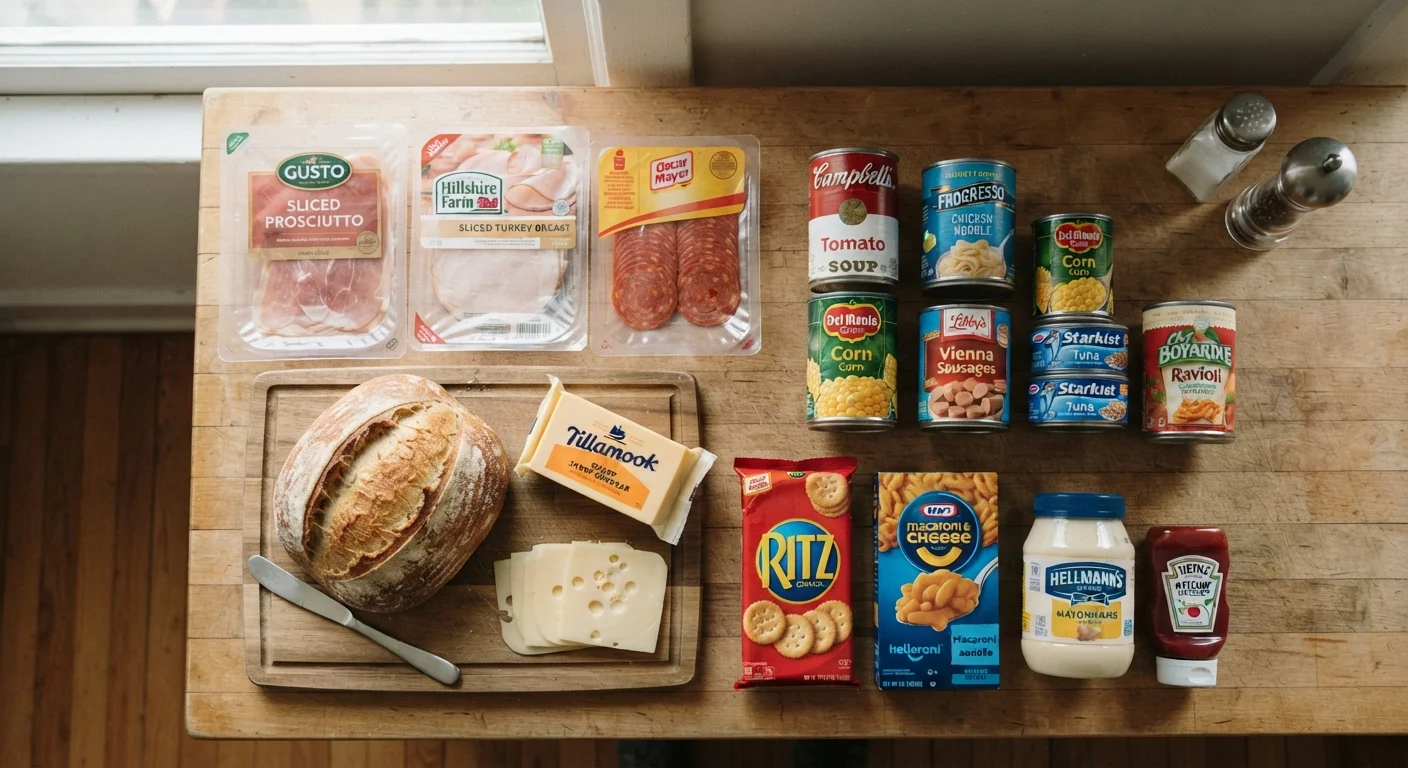
Many Americans assume that cutting back on sodium means putting down the salt shaker. In reality, research consistently shows that roughly 70% or more of dietary sodium consumed by Americans comes from processed, packaged, and restaurant foods - not from salt added at the table or during home cooking.
This distinction matters. When sodium is embedded in processed food during manufacturing, it can be difficult to perceive how much you're consuming, because the saltiness is often masked by other flavors like fat, sugar, or acid. Understanding the true sources of sodium in the American diet is a critical first step toward making more informed food choices.
This article provides general nutrition information and education. It is not a substitute for personalized medical or dietary advice. If you have concerns about your sodium intake or cardiovascular health, consult a qualified healthcare professional.
Top Food Categories Contributing Dietary Sodium
Several food categories account for the largest share of sodium in the typical American diet. According to data from the Centers for Disease Control and Prevention (CDC), these categories consistently top the list:
- Breads and rolls: A single slice of commercially produced bread can contain 100-200 mg of sodium. Because bread is consumed so frequently throughout the day, it ranks among the highest contributors overall - even though it doesn't taste overtly salty.
- Cold cuts and cured meats: Deli meats, sausages, and bacon rely heavily on sodium for preservation and flavor. A few slices of deli turkey can deliver 400-600 mg in a single serving.
- Pizza: Combining cured meats, cheese, and processed dough, pizza delivers sodium from multiple layers simultaneously, often exceeding 700-1,000 mg per slice depending on toppings.
- Soups: Canned and restaurant soups are notoriously high in sodium, with a single can sometimes containing close to an entire day's worth of the mineral.
- Sandwiches and burritos: When bread, condiments, cheese, and proteins combine, the sodium can accumulate rapidly - often reaching 1,000 mg or more per item.
- Cheese: Natural cheeses contain sodium inherently, and processed cheeses have additional sodium added during manufacturing.
- Condiments and sauces: Soy sauce, ketchup, salad dressings, and hot sauces are highly concentrated sodium sources used in small quantities but adding up quickly.
Dietary sodium
Sodium consumed through food and beverages, primarily in the form of sodium chloride (table salt). It plays a role in fluid balance and nerve function, but excessive intake is associated with elevated blood pressure in some individuals.
Processed food
Any food that has been altered from its natural state through methods such as canning, curing, freezing, or adding preservatives. Most processed foods contain added sodium for preservation, flavor, or texture.
Daily Value (DV) for sodium
A reference amount used on Nutrition Facts labels, set at 2,300 mg per day. The percent DV on a label tells you how much of that daily limit one serving contributes.
Sodium chloride
The chemical compound commonly known as table salt, composed of sodium and chloride ions. It is the primary form of sodium found in food, whether added during processing or cooking.
Just as fiber is often overlooked in the American diet, sodium's presence in unexpected foods is similarly underappreciated. See our guide to dietary fiber for more on how processing affects nutritional content.
Why Food Manufacturers Use So Much Sodium
Sodium serves several functional roles beyond flavor in food manufacturing:
- Preservation
- Sodium inhibits bacterial growth, extending the shelf life of meats, canned goods, and packaged snacks.
- Texture
- Salt affects the protein structure in doughs and processed meats, contributing to firmness and consistency.
- Flavor enhancement
- Even in foods that don't taste salty, sodium suppresses bitterness and amplifies other flavors, making products more palatable.
Because sodium is woven into the production process rather than simply sprinkled on top, reducing it in packaged foods requires reformulation - not just a lighter hand at the table. This is why public health guidance increasingly focuses on food environment and labeling transparency rather than individual willpower alone.
Reading Nutrition Labels for Sodium
The Nutrition Facts label on packaged foods lists sodium content per serving in milligrams and as a percentage of the 2,300 mg Daily Value. Paying attention to serving size is essential - a product that appears moderate in sodium may list a very small serving size, meaning actual consumption could be two or three times the labeled amount. Comparing labels across similar products is one practical way to identify lower-sodium options.