

Key Takeaways
The Real Reason Your Budget Doesn't Survive Week Two
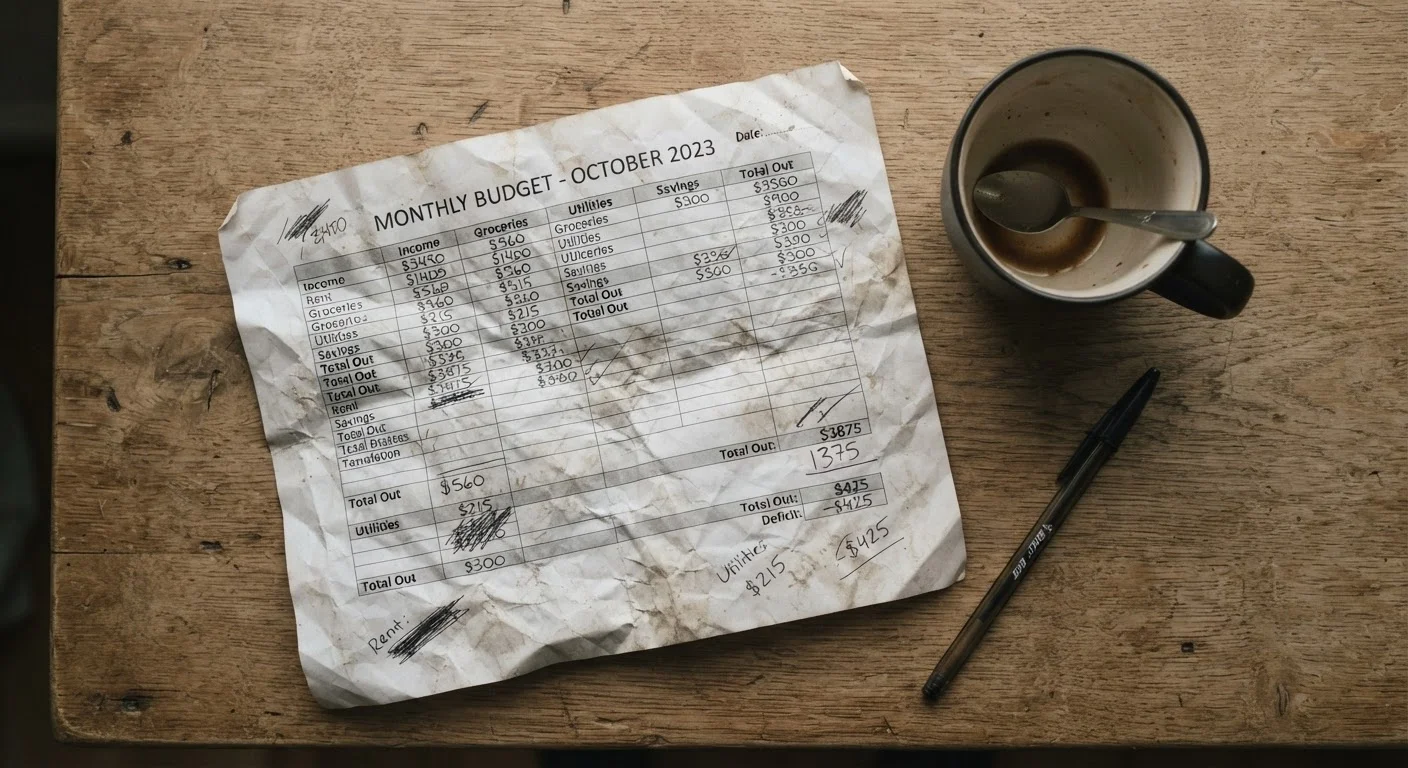
Most budgets don't fail because of poor intentions. They fail because they were built on shaky foundations - estimated numbers, missing categories, and no plan for the normal chaos of everyday life. If your budget tends to collapse within the first two weeks of the month, you're almost certainly dealing with one or more structural problems, not a character flaw.
Understanding why these patterns repeat is the fastest way to break them. If you haven't yet built your first formal monthly plan, starting from scratch with real numbers is the right place to begin. For everyone else, the mistakes below are where most budgets quietly fall apart.
Building the budget on ideal spending rather than actual spending history.
Why it happens: People estimate what they wish they spent rather than pulling real numbers from bank or card statements. Round, optimistic figures feel achievable in the planning phase.
Forgetting irregular but predictable expenses like car registration, annual subscriptions, or seasonal utility spikes.
Why it happens: These costs don't appear every month, so they slip out of mind during the budgeting session. When they arrive, they blow a hole in an otherwise solid plan.
Allocating every dollar with no buffer for the unplanned.
Why it happens: Zero-based budgeting principles are often misapplied - people give every dollar a job but leave no room for the small surprises that real life guarantees: a parking ticket, a last-minute gift, a higher-than-expected grocery run.
Only reviewing the budget at the end of the month instead of throughout it.
Why it happens: Checking in once a month feels like enough oversight, but by the time you see the damage, there's nothing left to correct. Overspending compounds silently between check-ins.
Ignoring the emotional triggers that drive unplanned spending.
Why it happens: Stress, boredom, and social pressure are among the most common reasons people spend outside their plan, yet most budgets treat spending as a purely rational act with no behavioral component.
How to Stop the Cycle Before It Starts
Pattern recognition is the core skill here. Once you can see which mistake is breaking your specific budget, the fix becomes much more obvious than a vague resolution to "spend less."
~80%
Of people abandon budgets within weeks
Research on financial behavior consistently finds that the majority of people who start a budget do not maintain it past the first month, largely due to structural design issues rather than motivation gaps.
3x
More likely to stick with a flexible budget
Behavioral finance studies suggest that budgets built with some spending flexibility are significantly more likely to be maintained long-term compared to rigid, zero-tolerance plans.
If you're managing finances with a partner or housemate, design flaws compound quickly - one person's irregular expense or emotional spending pattern can catch the other off guard. Aligning on a shared budget before the month starts reduces friction and keeps both people accountable to the same plan.
Perfection Is the Enemy of Progress
If you abandon your budget entirely the moment you overspend in one category, you lose far more ground than the original overage cost you. Treat budget deviations as data, not failures. Adjust the plan and keep going - a course-corrected budget is still a budget.
At the start of each new month, treat your budget as a draft that needs updating, not a static document. A quick reset - checking last month's actuals, adjusting categories, and flagging known irregular expenses - takes 20 minutes and can prevent weeks of frustration. The monthly budget reset checklist is a practical tool for making that habit stick.
Budgeting Is a Skill, Not a Willpower Test
When a budget fails, the instinct is often to blame yourself for lacking discipline. In reality, most budget failures are structural - the plan was built on inaccurate data or unrealistic assumptions. Recognizing the design flaws is the first step to building something that actually works.
The goal isn't a perfect month. The goal is a plan you can return to even after an imperfect week. Once the structural gaps are fixed, budgeting stops feeling like restriction and starts feeling like clarity. From there, building toward longer-term goals becomes genuinely achievable - explore the saving and goals hub for what comes next.
This article is for general informational and educational purposes only. It does not constitute personalized financial advice. For guidance tailored to your specific financial situation, consider consulting a qualified financial professional.