

Key Takeaways
Sinking Fund
A sinking fund is a dedicated savings pool you build gradually over time to cover a specific, predictable future expense. Instead of scrambling for cash when a large bill arrives, you set aside a small, fixed amount each month until the money is ready. Common uses include car registration, holiday gifts, annual insurance premiums, and home maintenance.
In personal finance, a sinking fund differs from an emergency fund in that it targets known expenses on a defined timeline, whereas an emergency fund covers unexpected events. The two serve complementary-not interchangeable-purposes.
The Problem Sinking Funds Solve
Most budgets are built around monthly expenses-rent, utilities, groceries, subscriptions. But many of the expenses that blow budgets apart aren't monthly at all. Car registration arrives once a year. Holiday gifts land in December. Annual insurance premiums hit in a single lump sum. Home repairs show up without warning.
When these bills arrive and you haven't planned for them, the money has to come from somewhere-usually a credit card, a raided emergency fund, or a month where everything else gets squeezed. That cycle is exactly what a sinking fund is designed to interrupt.
As covered in spending categories most people forget to budget for, irregular expenses are one of the most common reasons otherwise solid budgets fall apart. Sinking funds give those forgotten categories a permanent home.
1 in 3
Americans with no savings for irregular expenses
Federal Reserve surveys have consistently found that a significant share of U.S. households report difficulty covering an unexpected expense of $400, underscoring how common the gap between irregular costs and savings readiness is.
$5,000+
Average annual irregular household expenses
Estimates from personal finance researchers suggest that when car costs, medical out-of-pocket spending, home maintenance, and seasonal expenses are added together, most households face thousands in irregular bills each year.
How a Sinking Fund Works
The mechanics are simple. Identify an upcoming expense, estimate its total cost, and determine how many months you have before you need the money. Divide the total by the number of months-that's your monthly contribution.
Example: You expect to spend $600 on holiday gifts in December. If you start in June, you have six months. That's $100 per month set aside in a dedicated account. When December arrives, the money is already there.
This approach works for virtually any foreseeable expense:
- Annual or semi-annual insurance premiums
- Vehicle registration and inspection fees
- Back-to-school shopping
- Home maintenance and repairs
- Vacations and travel
- Medical deductibles or planned procedures
- Pet care costs, including vet visits
Each fund has a name, a target amount, a deadline, and a fixed monthly contribution. That clarity is what makes the system reliable. To see how sinking funds fit within a broader savings structure, structuring savings around different time horizons offers useful framing.
Name Every Fund Specifically
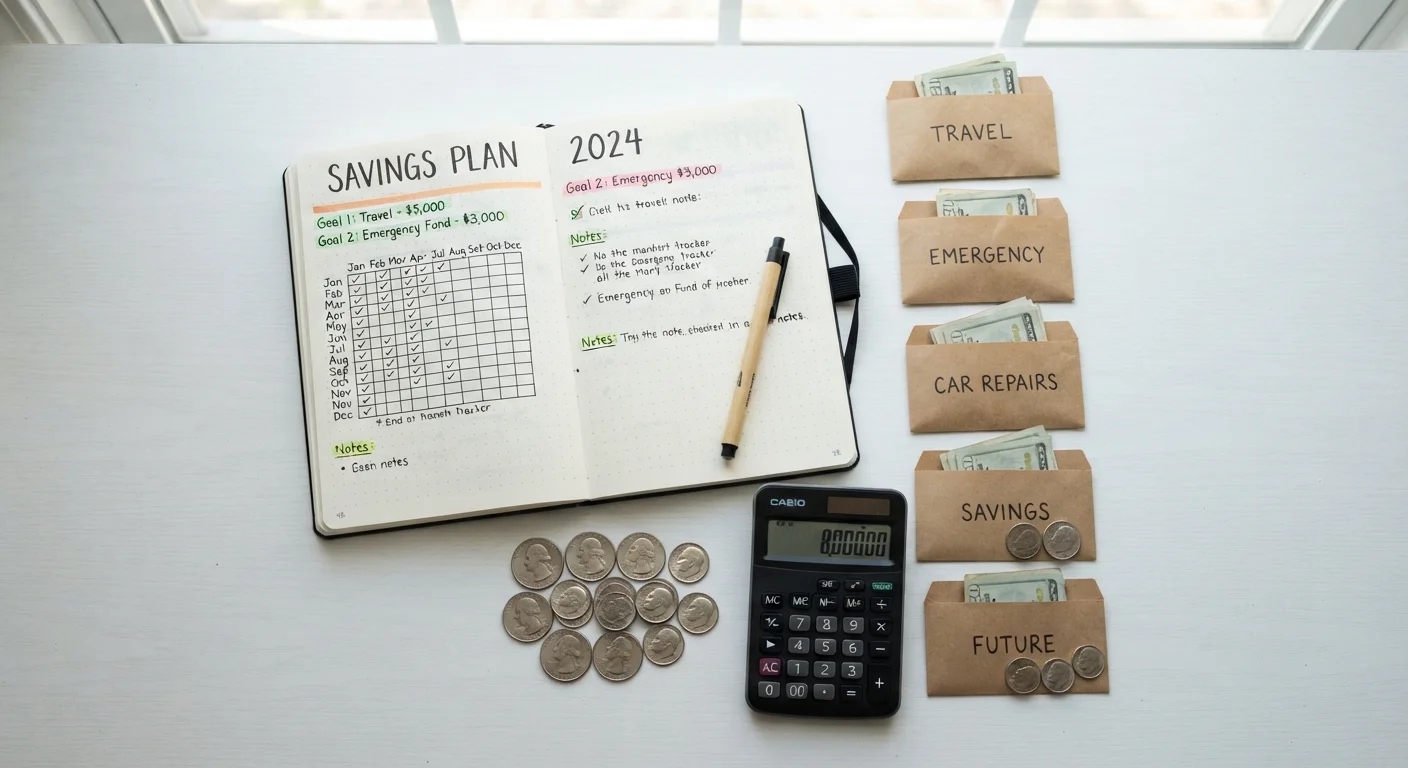
Label each sinking fund with its exact purpose-'December Gifts,' 'Car Registration,' 'Annual Vet Visit'-rather than a vague name like 'Savings.' Specificity keeps you accountable and makes it easier to track whether each fund is on pace to hit its target. It also makes the money feel purposeful, which reduces the urge to spend it on something else.
Sinking Funds vs. Emergency Funds
It's worth being precise about the difference. A sinking fund is for expenses you can see coming. An emergency fund is for the expenses you can't. Conflating the two is a common mistake-and a costly one.
If you dip into your emergency fund every December to cover holiday spending, you're not having a financial emergency. You're dealing with a predictable expense that lacked a dedicated savings plan. That distinction matters because your emergency fund needs to stay intact for genuine crises: unexpected job loss, a medical event, an urgent home repair you couldn't have forecast.
Sizing your emergency fund correctly is its own discipline. Once that fund is in place, sinking funds handle the layer of known irregulars that sit just below it.
“The goal of a budget isn't to restrict your spending-it's to make sure your money is in the right place at the right time. Sinking funds are how you handle the expenses you know are coming but tend to forget to plan for.”
— Personal Finance Educators Council, Financial literacy advocacy organization
Building the Habit Into Your Budget
The most effective sinking funds are funded automatically and treated as non-negotiable monthly line items-just like rent or a utility bill. Schedule an automatic transfer on payday so the money moves before you have a chance to spend it elsewhere.
Start with your two or three most predictable large expenses. List every bill from last year that wasn't monthly, add up what each cost, and build a fund for each one. As the system becomes routine, you can add new funds for goals that matter to you.
Budgeting apps and spreadsheets both work well for tracking multiple funds. Some people use separate savings sub-accounts labeled by purpose; others track everything in a single account with a simple log. What matters is consistency, not complexity. The habits that keep a budget working month after month apply directly here: review your funds regularly, update targets when costs change, and refill any fund you've drawn down.
For a deeper look at how sinking funds operate inside a full monthly budget, see how sinking funds prevent financial surprises. Both resources sit within the broader budgeting basics framework.
This article is for general informational purposes only and does not constitute personalized financial advice. Consult a qualified financial professional for guidance specific to your situation.