

Key Takeaways
Pet Dental Disease
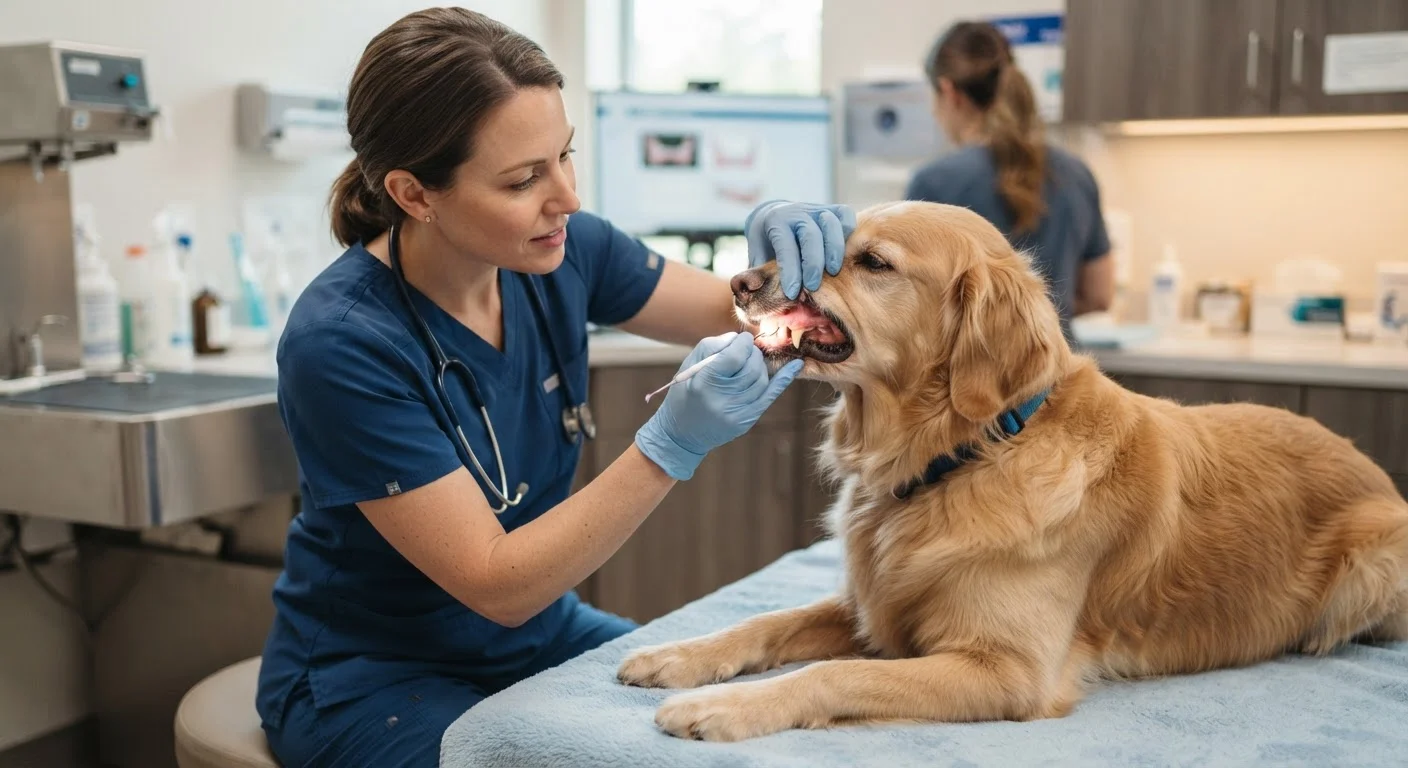
Pet dental disease refers to the progressive deterioration of a pet's teeth, gums, and surrounding structures caused by plaque and tartar buildup. It ranges from early-stage gingivitis - inflammation of the gums - to advanced periodontal disease, which involves bone and tissue loss around the teeth. It is one of the most common yet preventable health conditions diagnosed in dogs and cats.
Periodontal disease is classified on a scale from Stage 1 (gingivitis with no attachment loss) to Stage 4 (severe bone loss exceeding 50%), guiding veterinary treatment decisions.
Why Dental Health Is a Foundational Pet Care Issue
Dental care is among the most frequently skipped elements of routine pet ownership - and also among the most consequential. According to the American Veterinary Medical Association (AVMA), periodontal disease is the most common clinical condition diagnosed in adult dogs and cats. Despite that prevalence, many owners don't associate a pet's mouth with their overall wellbeing until visible symptoms or behavioral changes force attention.
The process begins simply: food particles and bacteria form plaque - a sticky film on tooth surfaces. Without regular disruption through brushing or veterinary cleaning, plaque mineralizes into tartar (also called calculus) within 24 to 48 hours. Tartar harbors bacteria beneath the gumline, triggering inflammation, gum recession, and ultimately the breakdown of bone and connective tissue that anchor teeth. This progression is periodontal disease.
What makes this especially challenging is that pets don't vocalize tooth pain the way humans do. By the time an owner notices something is wrong, disease is often well advanced. Understanding the mechanics of oral deterioration is the first step toward addressing it proactively - not reactively.
80%
Dogs with periodontal disease by age three
According to the American Veterinary Medical Association, approximately 80% of dogs show signs of periodontal disease by their third year of life.
70%
Cats affected by dental disease by age three
The AVMA similarly estimates that roughly 70% of cats develop some degree of oral disease by age three, making it the most prevalent feline health condition.
24-48 hrs
Time for plaque to harden into tartar
Veterinary dental guidelines note that plaque mineralizes into calculus within 24 to 48 hours if not mechanically disrupted, making daily brushing the most impactful preventive measure.
The Systemic Consequences of Poor Oral Health
Dental disease doesn't stay contained to the mouth. When bacteria accumulate beneath the gumline, they can enter the bloodstream through inflamed, compromised tissue - a pathway called bacteremia. Veterinary research has identified associations between periodontal disease and conditions affecting the kidneys, liver, and heart in companion animals, though the full nature of these relationships continues to be studied.
The heart connection is particularly well documented. Bacteria from oral infections have been found in cardiac tissue, and some studies suggest a correlation between periodontal disease and changes in heart valve integrity in dogs. This doesn't mean dental disease directly causes heart failure, but it does reinforce why oral health belongs in the same conversation as nutrition, exercise, and vaccination.
Owners who notice changes in their pet's behavior - eating more slowly, dropping food, pawing at the face, or becoming reluctant to play with toys - may be observing signs of oral discomfort. These behavioral cues are worth taking seriously. See our guide to recognizing pain signals in pets for a fuller breakdown of what to watch for.
“The mouth is not separate from the rest of the body. Bacteria that gain access to the bloodstream through diseased gum tissue can travel anywhere - and the consequences for organ health can be serious over time.”
— Veterinary Oral Health Council, Organization dedicated to establishing standards for veterinary dental product efficacy
Prevention: What Actually Works
The gold standard for home dental care remains daily tooth brushing using a soft-bristled pet toothbrush and pet-safe enzymatic toothpaste. No other home method - including dental chews, water additives, or oral rinses - matches the mechanical plaque-removal effectiveness of brushing. That said, the Veterinary Oral Health Council (VOHC) maintains a list of products with demonstrated efficacy in reducing plaque or tartar, which can complement (but not replace) brushing when a pet won't tolerate it.
For professional care, veterinary dental cleanings performed under general anesthesia allow for thorough scaling below the gumline, probing for pockets of infection, dental X-rays, and extraction of non-viable teeth if needed. Anesthesia-free dental cleanings, while commercially available, are not endorsed by the American Animal Hospital Association (AAHA) as a substitute - they cannot safely address subgingival disease, where the real damage occurs.
Start Tooth Brushing Early and Gradually
Pets introduced to tooth brushing as puppies or kittens are far more likely to tolerate the routine as adults. If your pet is older, begin by letting them taste the toothpaste, then progress to touching the teeth with your finger, before introducing a brush. Short, positive sessions - even 30 seconds - build acceptance over time. Never force the process, as a negative experience can make future attempts significantly harder.
Integrating dental health into your broader preventive care routine pays dividends over time. Our annual pet wellness checklist outlines where oral care fits alongside vaccinations, parasite prevention, and weight management on a year-round schedule.
Talking to Your Vet About Your Pet's Teeth
Oral health should be part of every wellness exam conversation - not something you wait for the vet to bring up. Ask your veterinarian to grade your pet's dental health using the standard four-stage periodontal classification, and request a discussion of realistic home care options based on your pet's temperament and existing disease status.
If your pet has been diagnosed with dental disease, ask specifically about the timeline for treatment, what anesthetic protocols will be used, and what post-procedure home care looks like. Knowing what questions to ask makes a meaningful difference in the quality of your pet's care. Our guide to more effective vet appointments covers the habits that lead to more productive clinical conversations.
Dental health doesn't exist in isolation from the rest of your pet's body. It intersects with nutrition, hydration, and systemic organ function - all components of a genuinely healthy animal. Addressing it consistently, rather than waiting for visible signs of disease, is one of the highest-impact choices an owner can make for their pet's long-term quality of life.
This article is for general informational purposes only and does not constitute veterinary medical advice. Always consult a licensed veterinarian for guidance specific to your pet's health needs.