

Pets & Animals

Your New Pet's First Year: A Health Milestone Checklist

Share
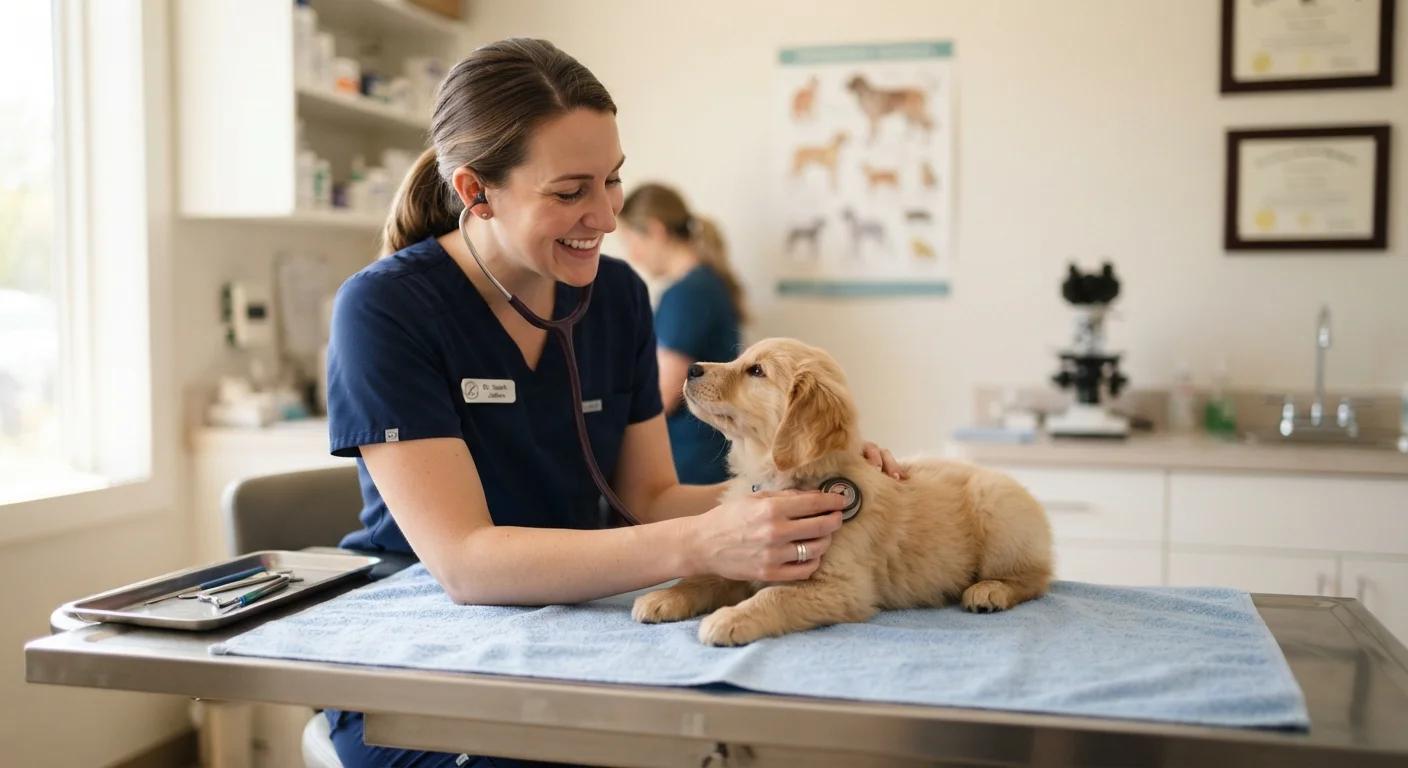
Veterinarian examining a golden puppy on a clinic table during a wellness visit.

Key Takeaways

Puppies and kittens need a series of veterinary visits in their first 16 weeks for core vaccinations.
Parasite prevention should begin in the first weeks of life and continue year-round.
The socialization window closes around 12–14 weeks — early, positive exposure matters enormously.
Spaying or neutering timing should be discussed with your vet based on breed and size.
Tracking milestones in a health journal helps your vet spot patterns and problems faster.
Dental habits established in year one reduce the risk of costly disease later in life.
20–40 min

Summary

22 items · 20–40 minutes to review and plan

Why the First Year Demands More Attention Than Any Other

The first 12 months of a puppy's or kitten's life are the most medically active period they will likely experience. Immune systems are developing, socialization windows are opening and closing, and foundational habits — dietary, behavioral, and hygienic — are being established. Missing a milestone during this window rarely has a simple fix later.

This checklist is organized by phase to help you track what needs to happen, when, and why. It covers puppies and kittens together, noting species-specific differences where they matter. If you're just getting started with ownership fundamentals, our guide to bringing home your first pet covers the setup essentials that complement this milestone plan.

This Is General Information, Not Medical Advice

Every pet is an individual. Vaccination schedules, parasite prevention choices, and spay/neuter timing depend on factors unique to your animal, including breed, geographic region, and medical history. Use this checklist as a planning guide, not a substitute for your veterinarian's personalized recommendations. Always consult a licensed veterinary professional before making health decisions for your pet.

This checklist provides general educational guidance only. It is not a substitute for individualized veterinary advice. Always consult a licensed veterinarian for your specific pet's health needs, vaccination schedule, and medical decisions.

Tools and Records to Have Ready

Staying organized is half the battle in year one. Before your first vet visit, gather the paperwork from your breeder, shelter, or rescue. This typically includes any vaccinations already given, deworming dates, and microchip registration details. Keeping a running health journal makes follow-up visits far more productive — learn how to structure one effectively in our guide to keeping a pet health journal.

Required

Veterinary records folder

Store vaccination certificates, deworming dates, fecal test results, and microchip registration in one place for every visit.

Required

Pet health journal or notebook

Track daily observations — appetite, stool quality, energy, and behavior changes — to share meaningful data with your vet.

Required

Carrier or crate (appropriately sized)

Required for safe transport to vet visits and useful for habituation training throughout the first year.

Optional

Digital kitchen scale

Weigh food portions accurately and monitor your young pet's weight gain at home between vet visits.

Required

Soft-bristle pet toothbrush and enzymatic pet toothpaste

Establish a daily dental routine as adult teeth emerge, reducing plaque and future periodontal disease risk.

The Full First-Year Health Milestone Checklist

Work through these groups in order. Mark each item as complete and note the date — your vet will appreciate the record. Some items apply primarily to dogs, others to cats; a few are universal. Your veterinarian is your best resource for timing adjustments based on your pet's breed, weight, and individual health status.

Weeks 1–8: First Veterinary Contact

Schedule a wellness exam within 48–72 hours of bringing your pet home to establish a health baseline and catch any issues from the breeder or shelter. Must
Confirm which vaccinations have already been administered and get dated records so your vet can build the correct continuation schedule. Must
Begin a fecal exam for intestinal parasites — roundworms and hookworms are extremely common in young animals and can affect human family members. Must
Start deworming treatment as directed by your veterinarian; puppies often require treatment as early as two weeks of age. Must

Weeks 8–16: Core Vaccination Series

Complete the distemper-parvovirus combination series for puppies (typically three doses at 8, 12, and 16 weeks) as recommended by the AVMA. Must
Complete the FVRCP (feline viral rhinotracheitis, calicivirus, panleukopenia) series for kittens on a schedule your vet confirms. Must
Administer the first rabies vaccine — legally required in most U.S. jurisdictions — at 12–16 weeks depending on local regulations. Must
Discuss non-core vaccines (Bordetella, leptospirosis, feline leukemia) with your vet based on your pet's lifestyle and risk exposure. Should
Begin flea, tick, and heartworm prevention products as approved for your pet's age and weight — confirm product suitability with your vet. Must

Weeks 8–14: The Socialization Window

Expose puppies to a wide variety of people, sounds, surfaces, and environments during the critical socialization period, using positive, low-stress methods. Must
Introduce kittens to handling, carriers, and household noises to reduce fear-based behavior at future vet visits. Should
Begin basic manners training using reward-based techniques; our guide to getting started with pet training is a practical starting point for new owners. Should
If crate training a puppy, start the process gradually during this window — see our crate training guide for a humane, step-by-step approach. Nice to have

Months 4–6: Dental, Spay/Neuter, and Microchip

Begin daily tooth brushing or vet-approved dental hygiene habits as adult teeth emerge — early dental care significantly reduces disease risk. Must
Have your pet microchipped if not already done, and register the chip with a national database immediately. Must
Discuss spay or neuter timing with your veterinarian — recommendations vary by species, breed, and size, and the conversation is worth having before 6 months. Must

Months 6–12: Ongoing Monitoring and Transition

Schedule a 6-month wellness check to monitor growth, weight, and development, and to catch any emerging concerns early. Should
Transition from puppy or kitten food to adult formula at the age and pace your vet recommends based on breed and body condition. Must
Maintain monthly or quarterly parasite prevention without gaps — year-round protection is recommended in most U.S. regions. Must
Review your pet's body condition score with your vet to ensure healthy growth and avoid the long-term effects of over- or underfeeding. Should
Confirm the one-year rabies booster and any other annual vaccines are scheduled before your pet's first birthday. Must

Never Skip Parasite Prevention Between Visits

Gaps in flea, tick, and heartworm prevention — even a single missed month — can leave a young animal vulnerable to infections that are far more difficult and expensive to treat than to prevent. Heartworm disease, in particular, is serious and potentially fatal in dogs, and treatment is far more intensive than prevention. Keep a calendar reminder and discuss the most appropriate prevention protocol with your vet.

After you've navigated year one, the work doesn't stop — use our annual pet wellness checklist to maintain momentum into every subsequent year.

Pets & Animals Editorial Team is the collective byline for our editorial team and contributor network. Articles published under this byline or an editorial pen name are researched, written, and reviewed according to our editorial standards for clarity, consistency, and independence before publication.

View all articles by Pets & Animals Editorial Team →
Disclaimer: The content on this site is for informational purposes only and is not a substitute for professional advice. Always consult a qualified professional for guidance specific to your situation.