

| Number of warning lights on most modern vehicles | 50-200+, depending on the model (Varies by manufacturer and trim level) |
| OBD-II required since | 1996 (U.S. mandate) (U.S. Environmental Protection Agency) |
| Check engine light trigger | Can indicate 100+ different fault codes (Society of Automotive Engineers) |
| TPMS required on new U.S. vehicles since | 2008 (National Highway Traffic Safety Administration (NHTSA)) |
| Red warning light urgency | Stop or reduce driving immediately |
| Recommended owner's manual check frequency | Review warning light section before any long trip |
How Dashboard Warning Lights Work
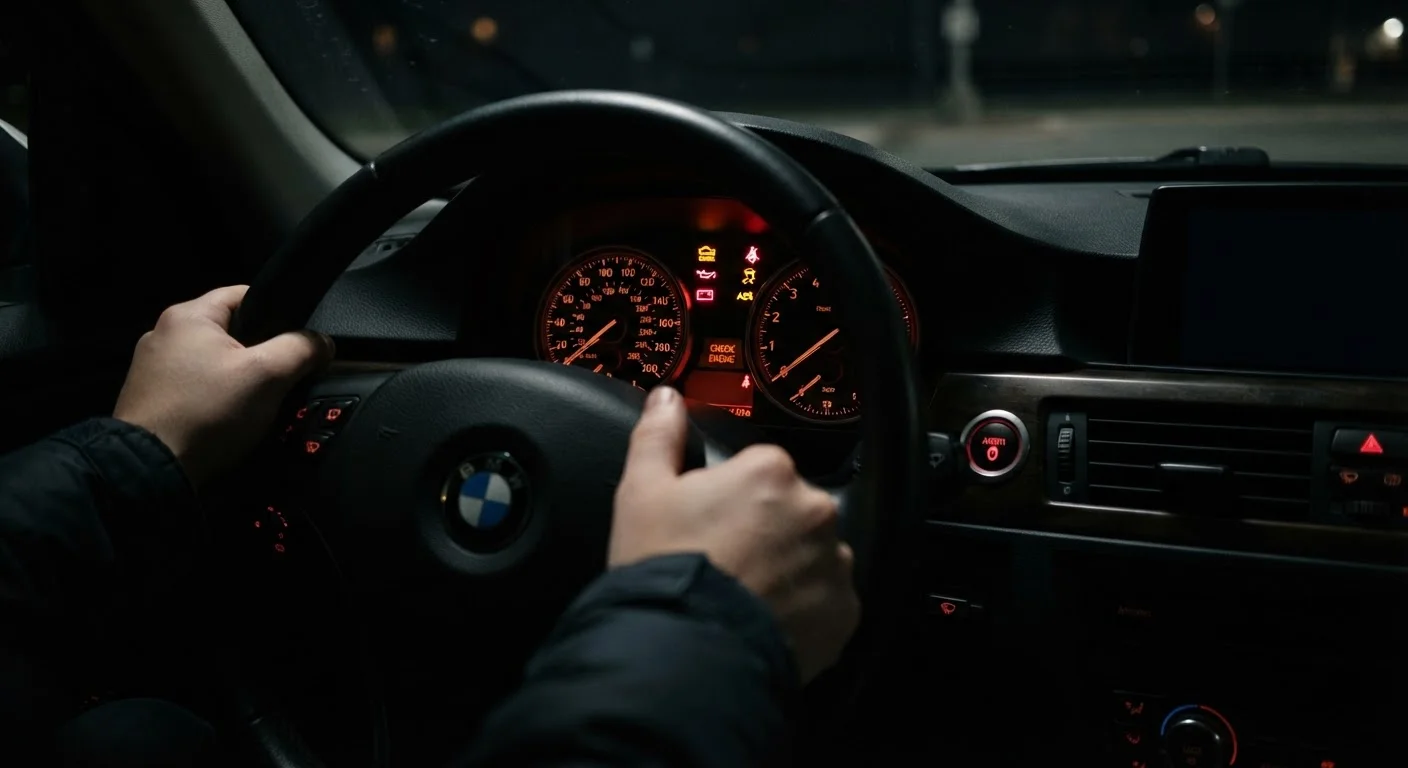
Modern vehicles use an onboard diagnostics system - commonly called OBD-II - to continuously monitor dozens of sensors throughout your car. When something falls outside the expected range, the system triggers a warning light on your instrument panel. These lights aren't random; each symbol and color carries a specific meaning tied to a real condition in your vehicle.
Color is the fastest cue. Red lights generally signal an urgent problem that may require you to stop driving soon. Amber or yellow lights typically indicate a condition that needs attention but is not immediately dangerous. Green and blue lights are informational - they confirm that a feature, like your high beams or turn signal, is active.
Understanding these signals is part of being a capable, confident car owner. Good driving and ownership habits include knowing when a light demands immediate action versus when you can safely schedule a service appointment.
| Number of warning lights on most modern vehicles | 50-200+, depending on the model (Varies by manufacturer and trim level) |
| OBD-II required since | 1996 (U.S. mandate) (U.S. Environmental Protection Agency) |
| Check engine light trigger | Can indicate 100+ different fault codes (Society of Automotive Engineers) |
| TPMS required on new U.S. vehicles since | 2008 (National Highway Traffic Safety Administration (NHTSA)) |
| Red warning light urgency | Stop or reduce driving immediately |
| Recommended owner's manual check frequency | Review warning light section before any long trip |
The Warning Lights You Need to Know
Not all dashboard symbols are equally urgent. Here's a breakdown of the most common ones and what they're actually communicating:
Stop Immediately
- Oil Pressure Warning (red oil can): Low oil pressure can destroy an engine within minutes. Pull over safely, turn off the engine, and check oil level before driving further. Do not ignore this light.
- Engine Temperature (red thermometer or wave): Your engine is overheating. Continuing to drive risks severe engine damage. Pull over, let the engine cool, and check coolant levels. See our guide on what each fluid does for context on coolant's role.
- Battery / Charging System (red battery symbol): The charging system has failed. Your car is running on battery power alone and may stall. Drive to the nearest safe location and have the system checked.
Schedule Service Soon
- Check Engine (amber engine outline): This light can mean anything from a loose gas cap to a misfiring engine. A solid amber light is a prompt to schedule a diagnostic scan; a flashing check engine light signals an active misfire and warrants more urgent attention.
- Tire Pressure (TPMS - amber cross-section of a tire): One or more tires are significantly under- or over-inflated. Check pressures when tires are cold and inflate to the specification found in your owner's manual or door jamb sticker - not the number printed on the tire sidewall.
- Traction Control / Stability Control (amber car with squiggly lines): If this light stays on when roads are dry, the system may have a fault worth investigating. If it flashes while driving, it means the system is actively working - normal on slippery surfaces.
Pay Attention, But Don't Panic
- Service Required / Maintenance Due: This is a scheduled interval reminder, not a fault indicator. Reset it after completing the appropriate service.
- Transmission Temperature: Your transmission fluid is running hot, often due to towing, steep grades, or stop-and-go traffic. If it persists after normal driving conditions resume, have the system checked.
OBD-II
On-Board Diagnostics, second generation - a standardized system used in most vehicles sold in the U.S. after 1996. It monitors vehicle systems and stores fault codes that mechanics and scan tools can retrieve.
Fault Code (DTC)
A Diagnostic Trouble Code stored by the OBD-II system when a sensor reading falls outside normal parameters. Codes help mechanics identify the source of a warning light quickly.
TPMS
Tire Pressure Monitoring System - a sensor-based system that alerts drivers when tire pressure drops significantly below the recommended level, helping prevent blowouts and poor fuel economy.
Traction Control System (TCS)
An active safety feature that reduces engine power or applies braking to individual wheels when wheel spin is detected, helping the driver maintain control on slippery surfaces.
Coolant
A liquid circulated through the engine to regulate operating temperature. Low coolant levels or a coolant leak can cause rapid overheating and serious engine damage.
What To Do When a Light Comes On
The right response depends entirely on which light appears and how your car is behaving. A useful general framework:
- Note the color and symbol. Red means act now; amber means act soon.
- Check for accompanying symptoms. Strange sounds, smells, vibrations, or changes in handling add important context.
- Consult your owner's manual. Every vehicle's manual includes a warning light reference section - it's the most accurate source for your specific make and model.
- Get a diagnostic scan. Auto parts retailers often offer free OBD-II scans. A mechanic can retrieve stored fault codes that identify the source of the problem more precisely.
Many drivers are surprised to learn that some common car care assumptions don't hold up - for instance, that a check engine light always means something catastrophic. Car maintenance myths like this can lead to unnecessary anxiety or, conversely, to dismissing signals that genuinely matter.
If you're planning a long road trip, a pre-departure inspection is worth the time. A lit warning light before departure is far easier to address than a breakdown miles from the nearest service center. For route-based readiness, the Road Trips & Travel hub offers practical planning guidance.
This article is for general informational purposes only. For any safety-related concern or recurring warning light, consult a qualified mechanic who can assess your specific vehicle.