

Key Takeaways
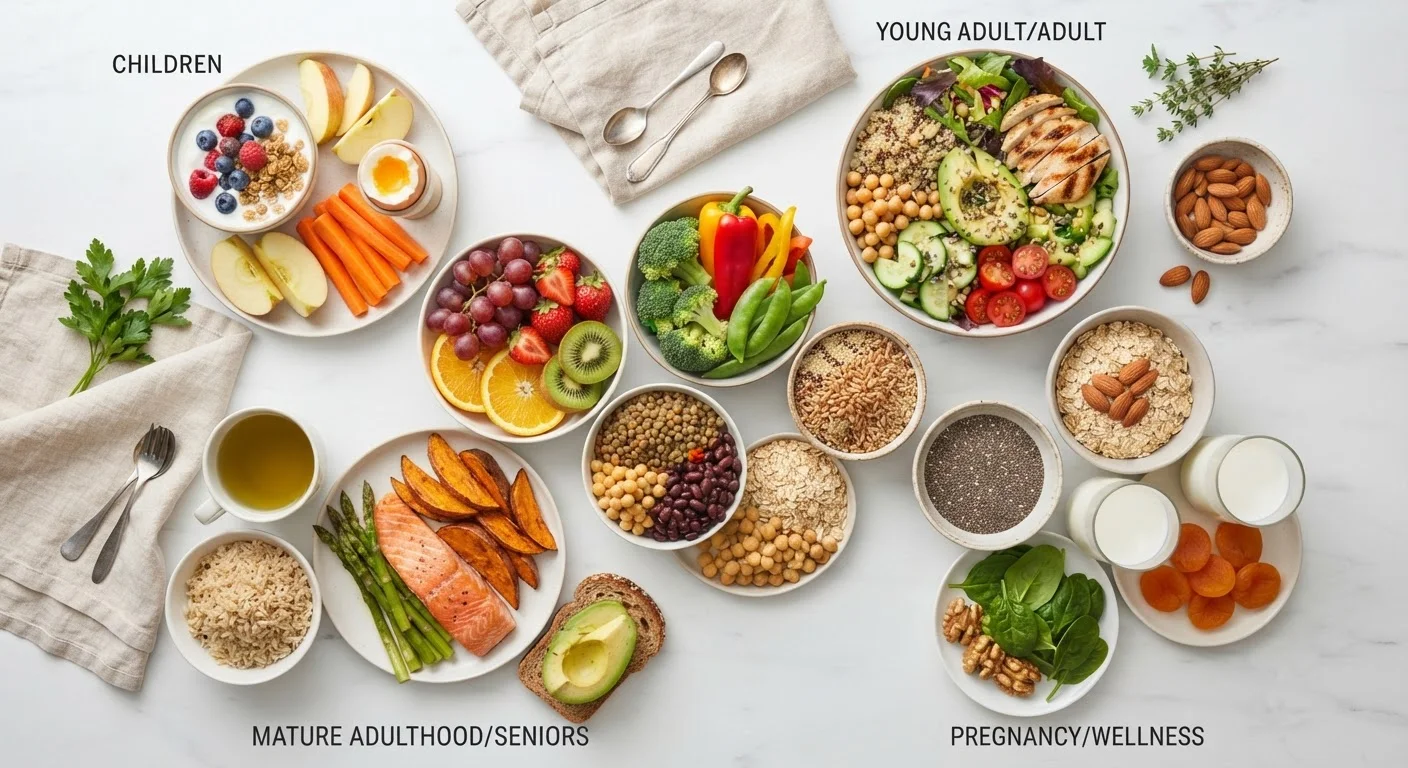
Why Nutritional Needs Change Throughout Life
The human body is not static. From rapid growth in childhood to the gradual shifts of aging, physiology changes in ways that directly affect how much and what kinds of nutrients the body requires. Understanding these shifts helps build eating patterns that support health at each phase rather than relying on a one-size-fits-all approach.
Several factors drive these changes over time: growth and development, hormonal fluctuations, changes in metabolism, shifts in muscle-to-fat ratio, and alterations in how efficiently the gut absorbs certain nutrients. Cultural patterns, activity levels, and health conditions layer on top of these biological realities.
This guide outlines the major nutritional considerations at each broad life stage. It is intended as general health education - not personalized dietary advice. Always consult a qualified healthcare professional or registered dietitian for guidance specific to your circumstances.
90%
Peak bone density established by end of adolescence
According to the National Institutes of Health, most peak bone mass is accumulated before adulthood, making calcium intake during youth critical.
1 in 3
Older adults at risk of vitamin B12 deficiency
The National Health and Nutrition Examination Survey estimates a substantial proportion of adults over 50 have suboptimal B12 status due to reduced absorption.
~1-2%
Annual muscle mass loss beginning in mid-adulthood
Research published in journals of gerontology estimates that without countermeasures, adults lose roughly 1-2% of muscle mass per year after age 50.
Childhood and Adolescence: Building the Foundation
The years from birth through late adolescence represent a period of extraordinary biological investment. Growth demands high caloric density relative to body size, along with specific nutrients that are hard to overstate in importance.
Key nutrients during childhood
- Calcium and vitamin D: Bone mass accumulates rapidly, and roughly 90% of peak bone density is established by the end of adolescence. Dairy, fortified plant milks, leafy greens, and adequate sun exposure all contribute.
- Iron: Supports cognitive development and oxygen transport. Iron-rich foods - legumes, lean meats, fortified cereals - matter especially as children grow.
- Zinc and iodine: Critical for immune function, thyroid activity, and neurological development.
Adolescence brings new demands
Puberty significantly increases caloric and nutrient requirements. Adolescent girls begin menstruating and need additional iron to offset monthly losses. Boys experience rapid muscle growth and may require more protein. Both groups need sustained calcium intake during what is essentially the last major window for building bone density.
Establishing Habits Early Pays Dividends Later
Dietary patterns formed in childhood and adolescence tend to track into adulthood. Encouraging variety, regular meals, and a positive relationship with food during these years creates a foundation that is far easier to maintain than habits developed later. Focus on food environment - what is available and normalized at home - rather than rigid rules.
For children and teens in particular, consult a pediatrician before introducing supplements, as excess of certain nutrients can interfere with development.
Young Adulthood: Maintaining Peak Function
For most people in their 20s and 30s, the body is operating near its biological peak in terms of metabolic efficiency and recovery capacity. This does not mean nutrition can be deprioritized - it means that good habits established now can pay dividends for decades.
Caloric needs in young adulthood are largely tied to activity level and body composition. Protein remains important for muscle maintenance and repair, particularly for those engaging in regular physical activity. The relationship between exercise and nutrition is especially relevant here.
Notable considerations
- Folate: Women who may become pregnant are advised to ensure adequate folate intake, as it is critical for fetal neural tube development in early pregnancy.
- Iron: Women of reproductive age continue to have higher iron needs than men of the same age due to menstruation.
- Fiber and gut health: A diet rich in whole grains, legumes, fruits, and vegetables supports digestive health and provides micronutrients that processed foods lack.
Research consistently supports dietary patterns - such as those described in eating patterns linked to long-term health - rather than single-nutrient focus as the foundation of wellbeing.
Rather than tracking individual nutrients obsessively, focus on making at least half your plate fruits and vegetables at most meals - this single shift tends to improve overall nutrient density automatically.
Research on dietary patterns consistently shows that overall food quality and variety predicts health outcomes better than any single nutrient target.
If you eat less than two servings of fatty fish per week, discuss omega-3 status with your healthcare provider, as this gap is common and has implications for heart and brain health across all adult life stages.
Omega-3 fatty acids from marine sources are associated with cardiovascular benefits in multiple large population studies, and intake is frequently below recommended levels in American diets.
Midlife: Navigating Metabolic and Hormonal Shifts
The 40s and 50s typically bring meaningful physiological changes that affect how the body processes and stores energy. Resting metabolic rate tends to decline gradually, and hormonal transitions - including perimenopause and menopause in women - can shift fat distribution, affect bone density, and alter cardiovascular risk factors.
Protein and muscle preservation
Sarcopenia (age-related muscle loss) begins as early as the mid-30s but accelerates in midlife. Adequate dietary protein - spread across meals rather than concentrated in one sitting - supports muscle protein synthesis. Combined with regular resistance exercise, this is one of the most evidence-supported strategies for maintaining functional strength. See general fitness guidance for complementary context.
Bone health
After menopause, estrogen decline significantly accelerates bone loss in women. Calcium and vitamin D intake become particularly important, though supplementation decisions should be made with a healthcare provider given evolving research on risks and benefits.
Watch for Unintentional Weight Changes in Midlife
Unexplained weight gain or weight loss in midlife can sometimes signal underlying hormonal, thyroid, or metabolic conditions rather than simply reflecting dietary changes. If your weight is shifting in ways that don't align with your habits, discuss this with a healthcare provider rather than assuming it is normal aging.
Heart health and dietary fat quality
Midlife is often when cardiovascular risk becomes more clinically visible. Emphasizing unsaturated fats (found in nuts, seeds, olive oil, and fatty fish) over saturated and trans fats aligns with established guidance for cardiovascular health.
Older Adulthood: Protecting Bone, Muscle, and Brain Health
Adults over 65 face a nuanced nutritional picture: caloric needs often decrease further, yet requirements for several key nutrients either hold steady or increase. This creates a situation where the quality and nutrient density of food choices matters more than at almost any other life stage.
Nutrient Needs in Older Adults Are Often Underestimated
It is a common misconception that older adults simply need less of everything as appetite decreases. In reality, requirements for protein, vitamin D, calcium, and B12 remain high or increase - while caloric needs may fall. This gap between caloric intake and nutrient requirements means food quality becomes even more critical after age 65. Discuss nutritional screening with a healthcare provider at routine visits.
Nutrients of particular concern
- Protein: Research suggests older adults may benefit from somewhat higher protein intake than younger adults to offset accelerated muscle loss. Distributing protein intake across meals appears more effective than concentrating it.
- Vitamin B12: Absorption becomes less efficient with age due to changes in stomach acid production. Older adults are at elevated risk of deficiency, which can affect neurological function.
- Calcium and vitamin D: Recommended intakes are higher after age 70 to help slow bone loss and reduce fracture risk.
- Hydration: The sense of thirst often diminishes with age, making dehydration a real and underappreciated risk.
Appetite can also decline in older adulthood for reasons including medication side effects, dental issues, social isolation, or reduced sensory perception. Working with a healthcare team to ensure adequate intake - including screening for unintentional weight loss - is an important part of elder care.
Just as aging changes nutritional needs in humans, it also shifts care requirements in other living beings - a dynamic explored in guides such as how senior pets need different veterinary care as well.
Practical Principles That Apply at Every Age
While specific nutrient needs shift across life stages, several evidence-informed principles hold across the lifespan:
- Prioritize whole foods: Fruits, vegetables, legumes, whole grains, lean proteins, and healthy fats provide nutrients in combinations that isolated supplements cannot replicate.
- Stay hydrated: Water needs vary by body size, activity level, and climate, but adequate hydration supports every body system at every age.
- Limit ultra-processed foods: These tend to be energy-dense and nutrient-poor, displacing more valuable foods in the diet without meaningfully contributing to nutritional needs.
- Adjust rather than overhaul: Major dietary changes are difficult to sustain. Gradual, consistent adjustments aligned with your life stage are more likely to stick.
- Work with professionals: A registered dietitian can provide personalized guidance that accounts for your health history, medications, and specific life stage in ways that general articles cannot.
Supplements Are Not a Substitute for Food
Multivitamins and individual supplements can address specific deficiencies identified by a healthcare provider, but they do not replicate the full nutritional benefit of whole foods. Nutrients in food come packaged with fiber, phytochemicals, and other compounds that work synergistically. Use supplements as a targeted tool, not a dietary safety net.
Nutritional science continues to evolve. What is consistent across the evidence base is that dietary pattern - the overall composition of what you eat day to day - matters more than any single food or nutrient. Focusing on variety, balance, and quality sets a strong foundation regardless of your age.
This article is for general informational and educational purposes only and does not constitute medical or dietary advice. Consult a qualified healthcare professional or registered dietitian for guidance tailored to your individual health needs.