| Number of standard sheen levels | 5 (flat, eggshell, satin, semi-gloss, gloss) |
| Most washable finish | High-gloss |
| Best finish for hiding wall imperfections | Flat / matte |
| Most versatile all-around finish | Eggshell or satin |
| Recommended finish for trim and doors | Semi-gloss or gloss |
| Finish most sensitive to surface prep | Gloss (magnifies imperfections) |
The Five Sheen Levels at a Glance
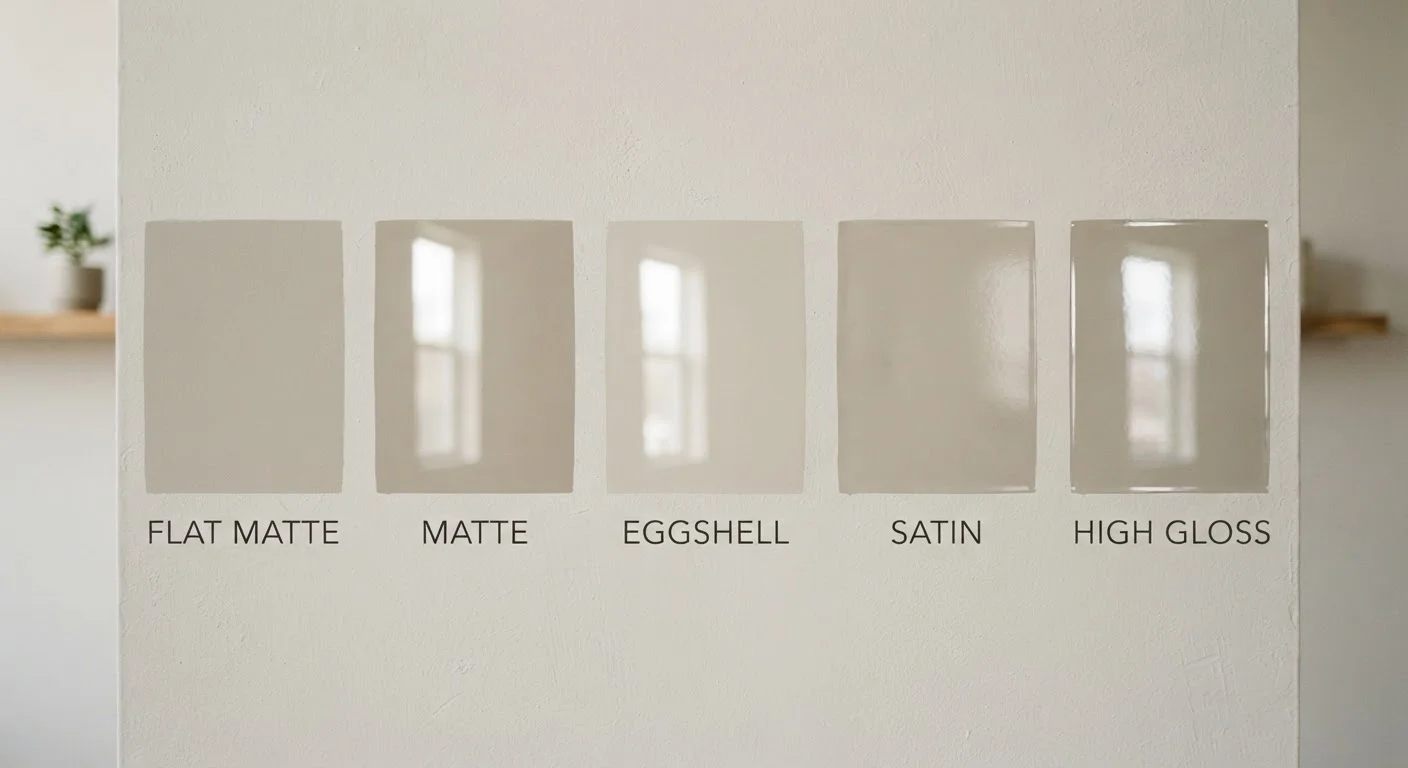
Paint sheen describes how much light a dried paint surface bounces back toward the viewer. The five standard levels - flat, eggshell, satin, semi-gloss, and gloss - exist on a continuous spectrum from zero reflectivity to a mirror-like shine. Understanding where each sits helps you make decisions that are both practical and visually cohesive. For a deeper look at how finishes interact with room design, see paint finish types and where each one belongs.
| Number of standard sheen levels | 5 (flat, eggshell, satin, semi-gloss, gloss) |
| Most washable finish | High-gloss |
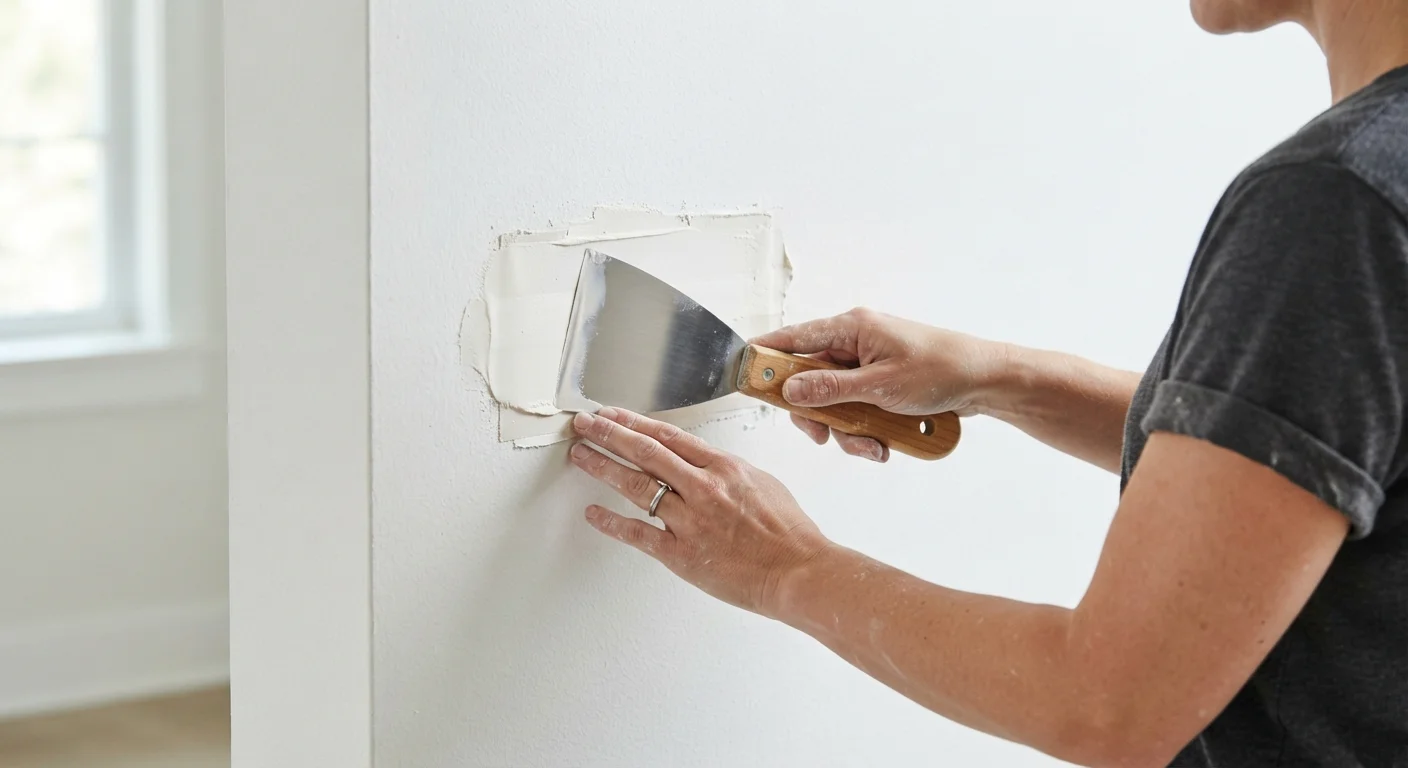
| Best finish for hiding wall imperfections | Flat / matte |
| Most versatile all-around finish | Eggshell or satin |
| Recommended finish for trim and doors | Semi-gloss or gloss |
| Finish most sensitive to surface prep | Gloss (magnifies imperfections) |
- Flat / Matte
- No measurable sheen. Absorbs light and hides surface imperfections - dings, patches, and texture variations disappear under a flat finish. Difficult to wipe clean without dulling or scuffing. Best for: low-traffic adult bedrooms, formal dining rooms, ceilings.
- Eggshell
- A barely-there glow resembling the surface of an egg. Slightly more washable than flat and still forgiving of minor wall flaws. Best for: living rooms, hallways, adult bedrooms where some durability is needed.
- Satin
- A soft, velvety sheen that holds up well to cleaning. More reflective than eggshell but not overtly shiny. Best for: kitchens, bathrooms, kids' rooms, high-traffic hallways.
- Semi-Gloss
- Noticeably reflective and highly washable. Moisture and grease clean off easily. Best for: trim, doors, window casings, cabinets, and bathrooms.
- Gloss / High-Gloss
- Maximum reflectivity and hardness. Extremely durable and cleanable, but magnifies every surface imperfection. Best for: exterior doors, furniture, cabinetry, and accent molding. Rarely used on full interior walls.
How to Match Sheen to Room and Surface
The right sheen level depends on three factors working together: traffic and wear, moisture exposure, and wall condition. A wall in a busy mudroom and a wall in a quiet guest room are not the same problem, even if they get the same color.
Sheen vs. Color Are Independent Choices
It's easy to conflate sheen level with paint color, but they are entirely separate decisions. Any color can be mixed into any sheen. Choose your color first based on mood and light - then layer in sheen based on the room's function and wall condition. See how warm and cool tones affect a room for color guidance that pairs well with sheen selection.
Traffic and Wear
Higher-sheen finishes resist scuffs and clean up with a damp cloth, making them practical anywhere hands, shoes, or furniture frequently contact walls. Flat finishes work beautifully in serene spaces where the walls are rarely touched - but they can rub off or stain if scrubbed aggressively. Knowing which cleaning products are safe for painted surfaces matters here, too - harsh cleaners can dull even semi-gloss over time.
Moisture Exposure
Bathrooms and kitchens benefit from satin or semi-gloss finishes because they resist humidity and allow surfaces to be wiped down regularly. Flat paint in a steam-heavy bathroom can bubble, stain, or grow mildew more readily.
Wall Condition
This is where many homeowners are surprised: higher sheen makes imperfections more visible, not less. If your walls have patches, old texture variations, or uneven joints, a flat or eggshell finish will be your ally. If surfaces are smooth and well-prepared, satin or semi-gloss will look polished. Gloss demands near-perfect prep - any dent or ridge will catch the light conspicuously.
Sheen
The degree to which a dried paint surface reflects light. Higher sheen means more light is bounced back, creating a shinier appearance.
LRV (Light Reflectance Value)
A measure of how much light a paint color reflects, expressed as a percentage from 0 (absorbs all light) to 100 (reflects all light). Sheen level affects perceived LRV.
Binder
The resin component in paint that holds pigment particles together and bonds the coating to the surface. Higher-sheen paints typically have a higher binder-to-pigment ratio.
Washability
A paint's ability to be cleaned with water and mild soap without losing color or surface integrity. Higher-sheen finishes are generally more washable.
Trim, Doors, and Ceilings: The Standard Approach
Most decorators follow a practical convention: ceilings in flat (often a dedicated ceiling white), walls in eggshell or satin, and trim in semi-gloss. This layering creates visual hierarchy - the trim pops cleanly against the walls, and the ceiling recedes. You can adjust within this framework, but it's a reliable starting point whether you're repainting one room or the whole house. For color decisions that complement your sheen choices, decorating with color from the beginning offers a practical approach to building a cohesive palette.