

Key Takeaways
Capsule Wardrobe
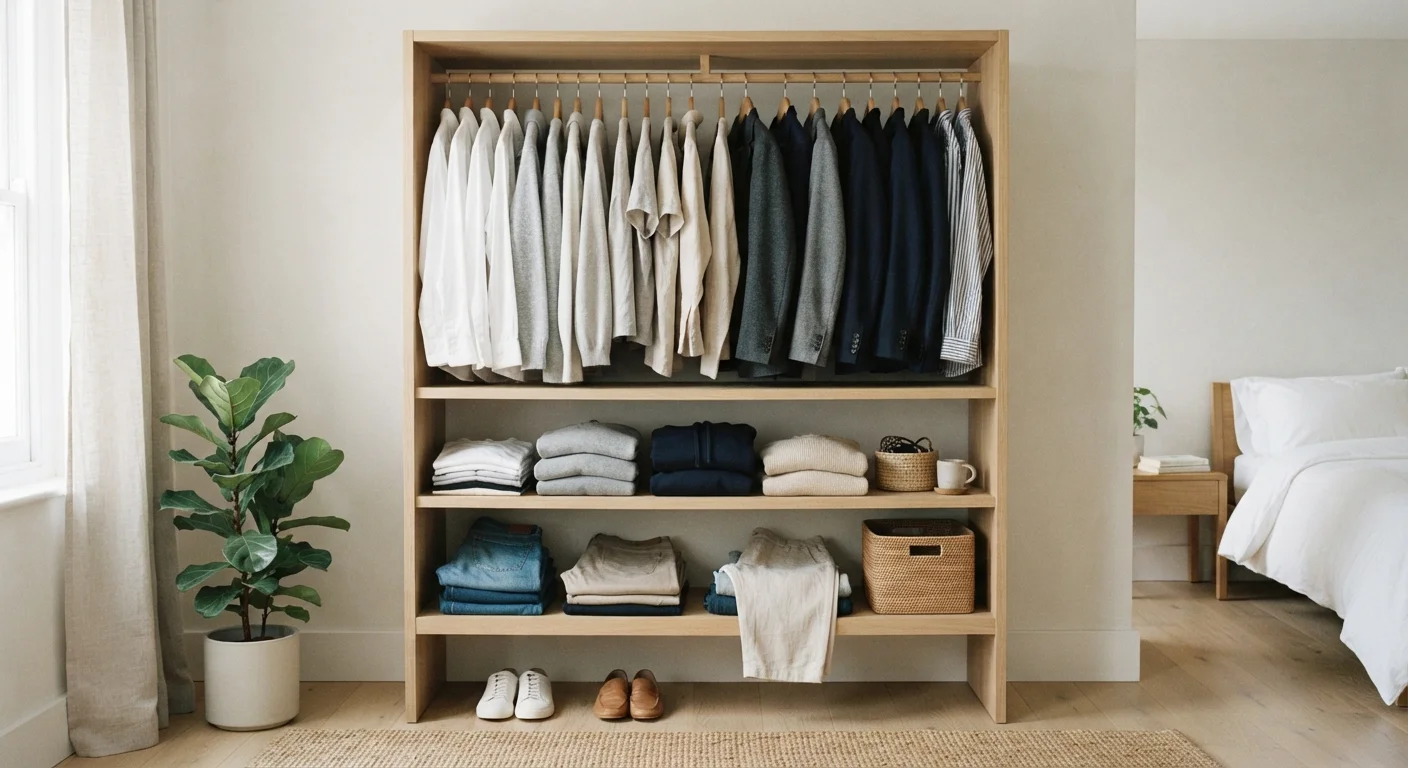
A capsule wardrobe is a small, curated collection of clothing where every piece is versatile enough to be worn in multiple outfits. The goal is to own fewer items that work harder — mixing and matching easily so you always have something practical to wear. It's less about having the minimum number of clothes and more about making intentional choices about what earns a spot in your closet.
The term was popularized by London boutique owner Susie Faux in the 1970s and later expanded by designer Donna Karan, though the concept has since evolved beyond any single brand or aesthetic.
Where the Idea Comes From
The capsule wardrobe concept has been around since the 1970s, but it gained fresh momentum as more people started feeling overwhelmed by closets full of clothes and still nothing to wear. The core insight is simple: owning more doesn't automatically mean dressing better. In fact, a cluttered wardrobe can make getting dressed harder, not easier.
The idea isn't tied to any single aesthetic — you don't have to wear all black or adopt a uniform. Instead, it's a practical strategy for building a wardrobe that reflects how you actually live. If you're curious about how the capsule concept compares to a more stripped-down approach, read a balanced look at minimalist wardrobes to see where the two ideas overlap and diverge.
~80%
Of clothing worn only 20% of the time
The widely cited 80/20 rule of wardrobes suggests most people regularly wear only a small fraction of the clothes they own, pointing to the practical case for curation.
30+
Average outfit combinations from 10 versatile pieces
Style educators often demonstrate that a 10-item travel capsule can generate 30 or more distinct outfit combinations when each piece is chosen to work with the others.
What Makes a Piece 'Capsule-Worthy'
A capsule wardrobe isn't just fewer clothes — it's clothes that earn their place. The defining characteristic of a capsule piece is versatility: it should be able to combine with at least three or four other items in your closet to create distinct outfits. Think of it as the difference between a one-occasion piece and a workhorse.
Neutral tones (white, navy, gray, camel, black) tend to dominate capsule collections because they mix easily, but this isn't a hard rule. Classic silhouettes — straight-leg trousers, crewneck sweaters, a tailored layer — hold up across seasons and trends without constant replacement. Wardrobe staples that anchor everyday outfits are a natural starting point for building your collection.
Start With What You Already Own
Before buying anything new, spend 20 minutes pulling out the items you reach for most in your existing closet. Those are your capsule anchors. Identifying them first prevents you from buying duplicates or pieces that don't actually fit your life.
Why It Actually Works for Everyday Life
One of the underrated benefits of a capsule wardrobe is reduced decision fatigue. When every item in your closet works with nearly every other item, getting dressed in the morning becomes a quicker, lower-stress process. Research in decision-making consistently shows that too many choices can lead to poorer decisions or avoidance — the same principle applies to your wardrobe.
There's also a financial logic to it. When you stop buying impulsive or trendy pieces that only work with one outfit, your spending tends to get more deliberate. Cost per wear becomes the real metric: a versatile jacket worn regularly over several years delivers far more value than a statement piece worn once. If you're starting from scratch or working with a limited budget, building a functional wardrobe on a tight budget lays out practical steps for doing exactly that.
How to Start Without Starting Over
You don't need to throw everything out to begin. The most practical first step is a wardrobe audit — going through what you already own and identifying which pieces you actually reach for versus which ones just take up space. Items that get worn regularly, mix well with others, and fit your life as it is right now are your starting capsule. Everything else is worth reconsidering.
A wardrobe audit checklist can help you work through this methodically rather than in a single overwhelming session. Once you see what you already have, you'll often find the gaps are smaller than you expected — and you can fill them thoughtfully rather than reactively.
When seasons change, the same principle applies. Rather than buying a fresh wardrobe every few months, focusing on layering and reworking existing pieces keeps your collection nimble. Seasonal wardrobe transitions without a shopping haul offers a framework for doing this sustainably and practically.
This article is for general informational and educational purposes only and does not constitute personal styling, financial, or purchasing advice. Individual needs vary based on lifestyle, climate, and budget.