

Key Takeaways
Why Breakage Happens — and Why It's Often Fixable
Persistent hair breakage can feel discouraging, but it's rarely random. In most cases, it's pointing to a specific gap in your routine — something too harsh, too frequent, or simply missing. Understanding the root cause is the first step toward actually changing the pattern.
Hair breaks when the strand's structural integrity is compromised. This happens through two main pathways: moisture-protein imbalance and mechanical stress. Both are addressable. The challenge is that the fixes aren't always obvious, and some well-meaning habits actually make things worse. Common hair myths can lead people toward routines that do more harm than good.
Breakage vs. Shedding: Know the Difference
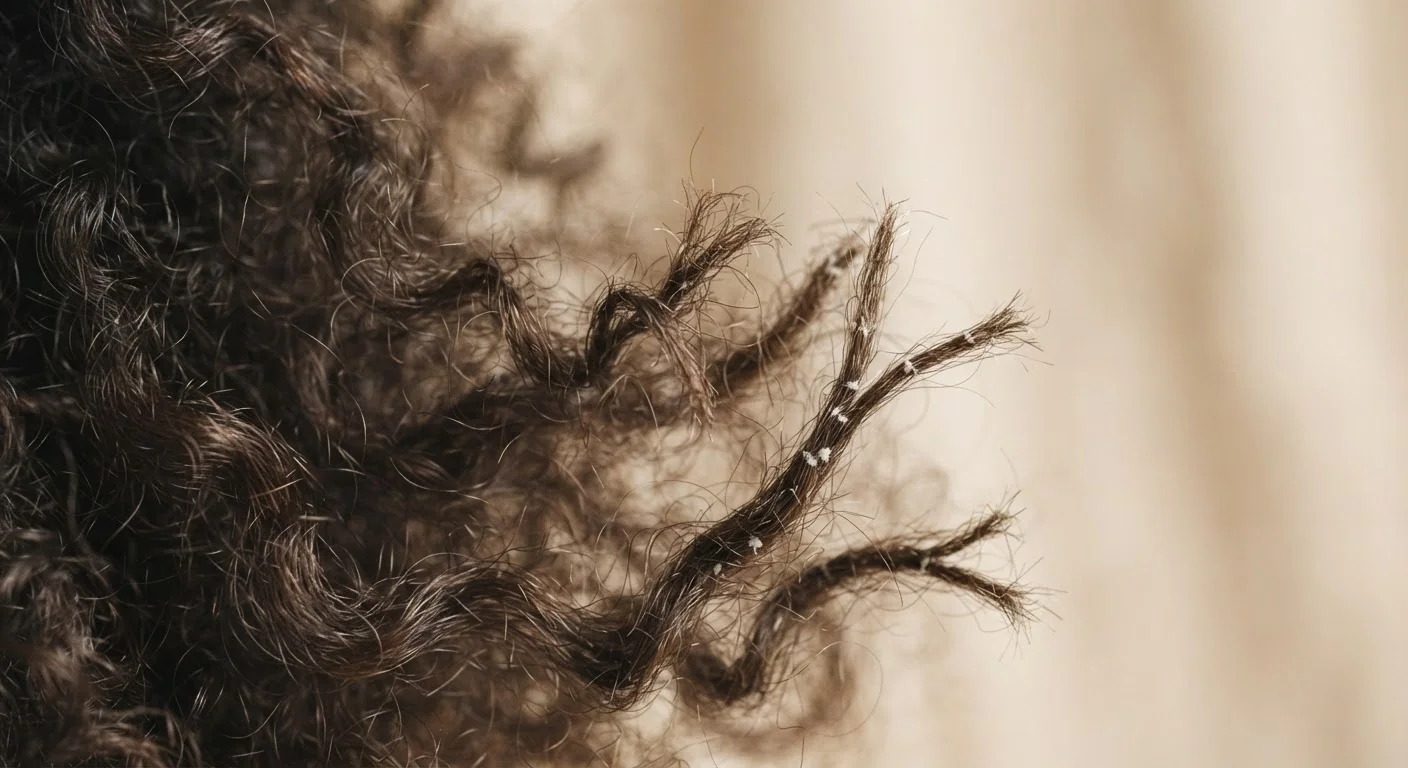
Breakage produces short, uneven strands with no bulb at the end — they snap off mid-shaft. Shedding involves longer strands with a white bulb at the root, which is a normal part of the hair growth cycle. Confusing the two can lead to the wrong fix. If you're genuinely unsure or experiencing sudden, heavy hair loss, consult a dermatologist or healthcare provider, as it may signal an underlying condition.
The Mistakes That Keep Breakage Going
The following errors show up across hair types and textures — from fine straight hair to thick coily strands. While the specifics of care vary, these patterns are remarkably consistent. Recognizing which ones apply to your routine is more useful than following a generic fix.
Skipping or under-moisturizing between wash days.
Why it happens: Many people assume that washing and conditioning is enough to carry hair through the week, not realizing that moisture evaporates — especially in dry or heated indoor environments.
Detangling dry hair or starting from the root.
Why it happens: Rushing through the process — especially when hair is tangled — leads people to force a brush or comb through from root to tip, which creates breakage at every knot.
Using high heat too frequently without protection.
Why it happens: Heat styling is fast and produces visible results, so it's easy to reach for a flat iron or blow dryer daily without recognizing cumulative damage.
Keeping hairstyles too tight for too long.
Why it happens: Styles like tight braids, ponytails, or buns feel secure and look neat, but constant tension on the hair shaft and follicle weakens both over time.
Sleeping on a rough cotton pillowcase without any barrier.
Why it happens: Cotton is absorbent and has a textured surface that creates friction against hair strands all night — a factor most people don't think to address.
Don't Overdo Protein Treatments
While protein helps strengthen weakened strands, too much protein without adequate moisture makes hair stiff and brittle — and more prone to snapping. Signs of protein overload include crunchy texture and increased breakage after treatment. Balance every protein treatment with a deep conditioning session focused on hydration.
90%
Of breakage cases linked to mechanical damage
Hair care professionals commonly cite physical stress — brushing, heat, and tension — as the dominant driver of non-chemical breakage across all hair types.
3–4 inches
Average annual hair growth for most adults
If breakage is occurring at a similar rate to growth, length retention stalls — making routine adjustments critical for anyone trying to maintain or grow their hair.
It's also worth noting that breakage doesn't always look the same. Fine hair may show it as overall thinning and limpness; coarser or more porous textures may show it as frizzy ends and shrinkage that doesn't bounce back. Tailor what you read here to your actual hair's behavior, not just its category.
If you've addressed your routine and still notice significant, unexplained loss, that's a conversation to have with a dermatologist — some causes of hair fragility are internal and require professional evaluation. This article is for general informational purposes and is not a substitute for medical advice.
This article is for informational purposes only and does not constitute medical advice. If you are experiencing significant or sudden hair loss, please consult a qualified healthcare professional.