

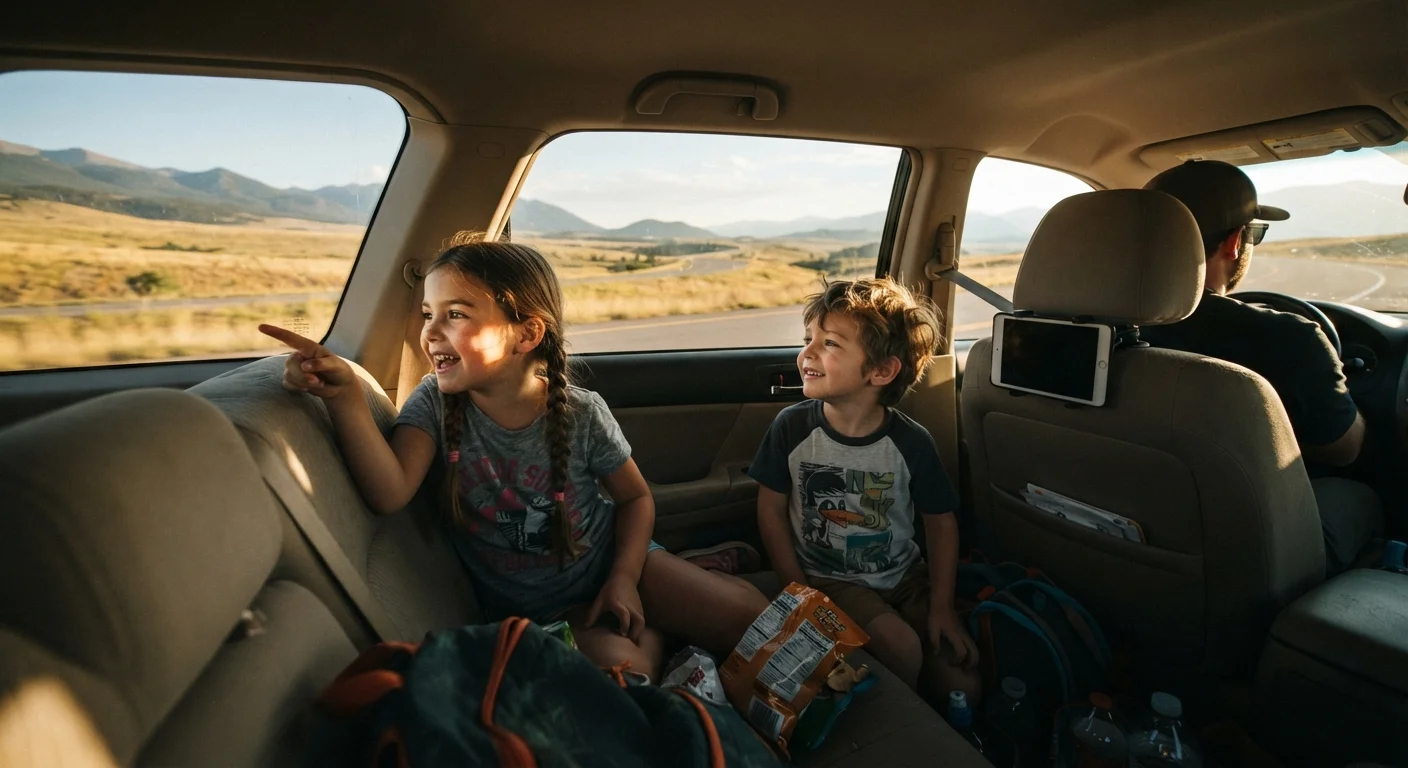
Key Takeaways
Plan Around Kids' Rhythms, Not Just the Map
The most common mistake families make on long drives is building a schedule around mileage and ignoring biology. Children - especially under age 10 - have limited capacity to sit still for extended stretches. Planning stops every 90 to 120 minutes isn't a concession; it's sound logistics that also benefits the driver.
Before you leave, identify rest stops, parks, or open spaces along your route where kids can run, stretch, and burn energy. A 15-minute break at a grassy rest area resets the cabin atmosphere more effectively than any screen or snack. See how to make the most of rest stops beyond the basics.
Build buffer time into your daily mileage target. A drive that's manageable for a solo traveler may take 30-45% longer with young children. First-time multi-day road trippers often underestimate this, which turns an enjoyable trip into a tense one.
Entertainment That Actually Works in a Moving Vehicle
Screens are a legitimate tool, not a parenting shortcut. Download shows, podcasts, and audiobooks before departure - cellular coverage on interstate corridors is inconsistent, and buffering mid-movie is a genuine morale hit. A mix of passive entertainment (shows) and interactive content (audiobooks the whole family follows) keeps different age groups engaged.
Audiobooks and story podcasts work especially well for mixed-age groups because they give everyone something to focus on without requiring individual devices. Classic car-game formats - license plate bingo, the alphabet game, 20 questions - require no equipment and create shared moments that passive screen time can't replicate.
Resist the urge to fill every quiet moment. Children who learn to handle stretches of boredom on road trips develop patience - and sometimes produce the most memorable observations about what they see out the window.
Snacks, Hydration, and the Mood Connection
What kids eat in the car directly affects the atmosphere inside it. High-sugar snacks create short energy spikes followed by crashes that amplify irritability. Protein-rich, lower-sugar options - think cheese sticks, nuts (age-appropriate), whole-grain crackers, or fruit - sustain energy more evenly over distance.
A Note on Motion Sickness in Children
Motion sickness is more common in children aged 2-12 than in adults, and it can develop even in kids who haven't experienced it before. Positioning a child in a center rear seat (where movement is less pronounced), limiting screen use during winding roads, and ensuring fresh air circulation can help reduce symptoms. If a child is prone to motion sickness, consult a pediatrician before the trip about appropriate management options - this is general information, not medical advice.
Hydration is often under-managed on road trips because parents worry about bathroom stops. The reality is that mild dehydration contributes to headaches and irritability in children. Offer water consistently; plan for the resulting stops. It's a worthwhile trade.
An organized snack system reduces chaos. A small soft-sided cooler within reach of a designated "snack manager" in the back seat puts kids in a responsible role and reduces front-seat interruptions. Smart car packing strategies can help you position snacks and supplies without turning the cabin into a cluttered obstacle course.
Safety Fundamentals Worth Reviewing Before You Go
Long drives create conditions that can lead to safety shortcuts - rushing, distraction, and fatigue. Before any extended family road trip, verify that car seats are correctly installed and that harness straps are snug and properly positioned for each child's current height and weight. Car seat guidelines from the American Academy of Pediatrics emphasize keeping children in the most protective seat configuration they've not yet outgrown, not the one that's most convenient.
Sun exposure through side windows is real and cumulative. Window shades for rear side windows protect children on sunny-side exposures during long afternoon drives. For overall road trip safety framing, common road trip myths are worth reviewing - some widely held assumptions actively work against safe driving.
38%
Of crash fatalities involving children involve improper restraint use
According to the CDC, proper car seat and seatbelt use remains one of the most effective protections for child passengers in vehicle crashes.
90-120 min
Recommended maximum continuous driving interval with children
Child development and road safety guidance generally aligns on breaks every 90 to 120 minutes to manage both child restlessness and driver fatigue.
Driver fatigue is compounded by the emotional labor of managing children in the car. If you're traveling with another adult, rotate driving duties before fatigue sets in - not after. If you're traveling solo with children, factor in shorter driving windows than you'd use alone. For context on what solo driving demands, driving solo across the country outlines those realities directly.