Key Takeaways
Cost savings on labor for lower-risk tasks
Skilled DIY work on cosmetic projects can meaningfully reduce out-of-pocket costs, since labor often represents 40-60% of a contractor's quote for simple jobs.
Flexible scheduling on your own timeline
DIY projects can be completed at your own pace without waiting for contractor availability, which can be especially valuable during busy seasons.
Builds practical skills and home familiarity
Hands-on experience with your home's systems and surfaces helps you identify future problems earlier and communicate more clearly with professionals when needed.
Immediate control over materials and quality
When you manage the project yourself, you choose the materials and apply the level of care you want - there's no reliance on a subcontractor's judgment.
Mistakes in regulated work carry serious legal risk
Unpermitted electrical, plumbing, or structural work can trigger stop-work orders, mandatory demolition of completed work, or complications at the point of sale.
Insurance may not cover DIY-caused damage
Homeowners insurance policies often exclude damage resulting from unpermitted or improperly performed work, leaving you liable for the full cost of repairs.
Safety hazards in system work are non-obvious
Electrical and gas systems can appear straightforward but carry hidden risks - such as improper grounding or gas pressure issues - that only become apparent after a dangerous failure.
Tool and material costs can erode savings
Specialized tools required for some DIY projects can cost as much as or more than hiring a professional, particularly for one-off tasks.
Our Verdict
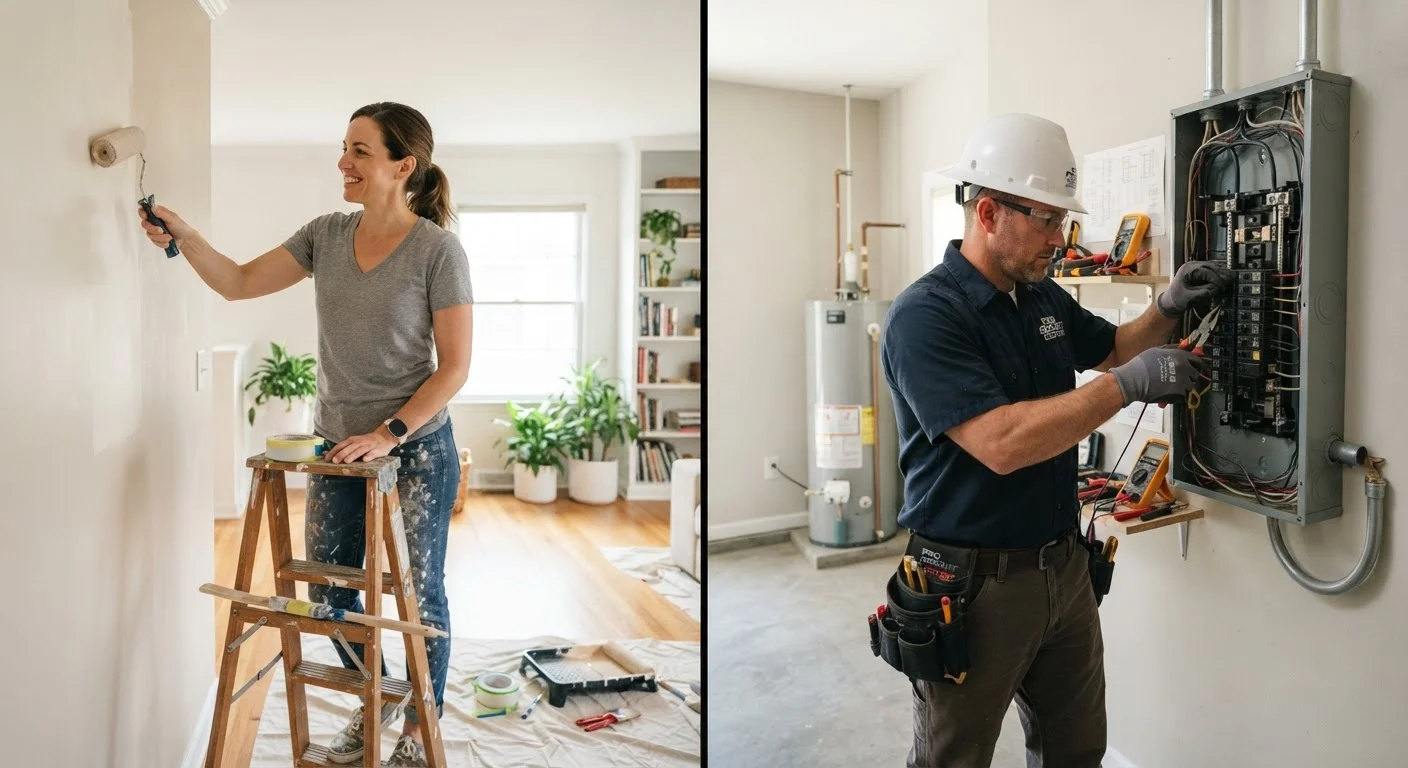
DIY home improvement is genuinely empowering for the right tasks - painting, patching, installing fixtures, and similar cosmetic work can be done safely with basic tools and attention to detail. But electrical panels, gas lines, load-bearing structures, and work requiring permits belong with licensed professionals - not because of complexity alone, but because the legal, safety, and insurance consequences of getting them wrong are serious and lasting.
Homeowners and renters who want a clear, practical framework for deciding which projects to tackle themselves and which to hand off to a qualified trade.
The Real Distinction: Cosmetic vs. System Work
The DIY-vs-professional question isn't simply about skill level - it's about what's at stake if something goes wrong. Home improvement tasks generally fall into two categories: cosmetic work (surfaces, finishes, and non-structural installations) and system work (electrical, plumbing, gas, HVAC, and structural systems). That distinction drives most of the legal and safety lines you'll encounter.
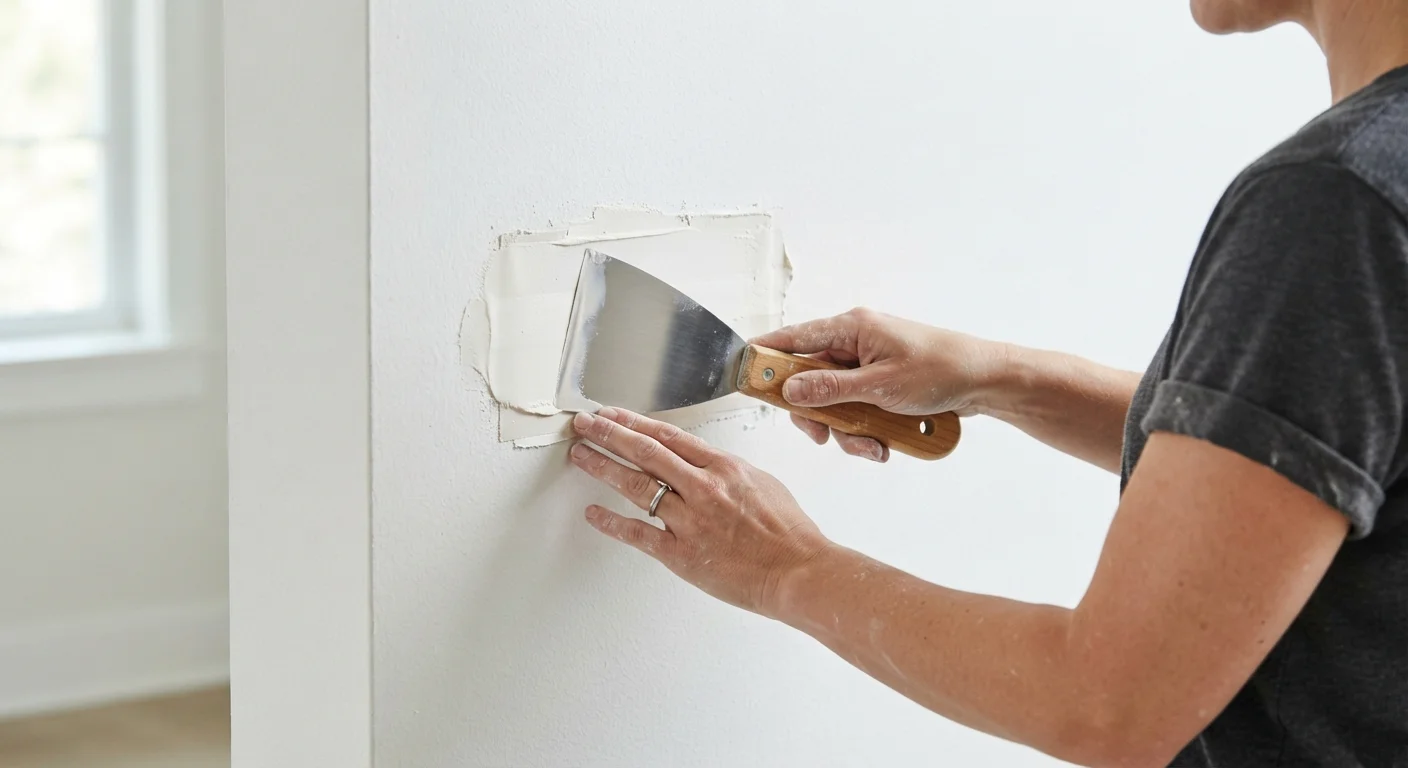
Cosmetic tasks - painting walls, replacing cabinet hardware, patching small drywall holes, installing a ceiling fan on an existing circuit, or laying peel-and-stick tile - carry relatively low risk. Mistakes are usually fixable, and most jurisdictions don't require permits for them. Our drywall repair guide walks through how to assess damage and choose the right approach for a clean result.
System work is a different matter. When a task involves your home's electrical panel, gas supply lines, load-bearing walls, or connection to the municipal water supply, errors can result in fire, flooding, structural failure, or carbon monoxide exposure - hazards that endanger occupants and neighbors alike. This is where licensing requirements and permit obligations exist for substantive reasons, not bureaucratic ones.
What DIY Actually Covers Well
A confident, prepared DIYer can handle a wide range of meaningful projects without professional help. Common examples include:
- Interior painting and wallpaper installation
- Replacing outlet covers, switch plates, and light fixtures (on existing, properly grounded circuits)
- Installing or repairing trim, molding, and baseboards
- Minor drywall patching (nail pops, small holes)
- Caulking, weatherstripping, and basic door hardware replacement
- Laying floating floor systems such as laminate or click-lock vinyl plank
- Installing faucets and showerheads (replacing like-for-like, without re-routing supply lines)
Renters should note that even these lower-stakes projects may be restricted by lease terms. Before drilling, painting, or installing anything permanent, review your lease and communicate with your landlord. For a closer look at what's generally renter-permissible, see our article on renter-friendly home upgrades.
Cost savings on labor for lower-risk tasks
Skilled DIY work on cosmetic projects can meaningfully reduce out-of-pocket costs, since labor often represents 40-60% of a contractor's quote for simple jobs.
Flexible scheduling on your own timeline
DIY projects can be completed at your own pace without waiting for contractor availability, which can be especially valuable during busy seasons.
Builds practical skills and home familiarity
Hands-on experience with your home's systems and surfaces helps you identify future problems earlier and communicate more clearly with professionals when needed.
Immediate control over materials and quality
When you manage the project yourself, you choose the materials and apply the level of care you want - there's no reliance on a subcontractor's judgment.
Where Licensed Professionals Are Required
Several categories of work are regulated by state and local codes precisely because the risks are high and the systems are interconnected with public infrastructure. In most U.S. jurisdictions, the following work must be performed by a licensed contractor and typically requires a permit:
- Electrical panel upgrades, new circuit installation, or service changes - working inside a panel carries a real electrocution risk, and improper wiring is a leading cause of residential fires.
- Gas line installation or repair - this work is regulated in virtually every jurisdiction; incorrect connections can cause leaks, explosions, or carbon monoxide poisoning.
- Structural modifications - removing or altering load-bearing walls without engineering review can compromise the structural integrity of the entire home.
- Major plumbing changes - re-routing supply or drain lines, moving fixtures, or connecting to the main supply line typically requires a licensed plumber and an inspection.
- HVAC system installation or significant modification - in many states, working with refrigerants requires EPA certification; ductwork changes often need permits.
Before starting any project that might fall into these categories, consult our detailed overview of when permits are required and what happens if you skip one. The consequences of unpermitted work - failed inspections at resale, voided insurance claims, and liability - are real and long-lasting.
Mistakes in regulated work carry serious legal risk
Unpermitted electrical, plumbing, or structural work can trigger stop-work orders, mandatory demolition of completed work, or complications at the point of sale.
Insurance may not cover DIY-caused damage
Homeowners insurance policies often exclude damage resulting from unpermitted or improperly performed work, leaving you liable for the full cost of repairs.
Safety hazards in system work are non-obvious
Electrical and gas systems can appear straightforward but carry hidden risks - such as improper grounding or gas pressure issues - that only become apparent after a dangerous failure.
Tool and material costs can erode savings
Specialized tools required for some DIY projects can cost as much as or more than hiring a professional, particularly for one-off tasks.
Gray Areas and How to Navigate Them
Some projects sit in genuinely ambiguous territory. Installing a bathroom exhaust fan, for example, may be DIY-appropriate if you're replacing an existing unit on an existing circuit - but adding a new circuit to power it crosses into licensed electrical work. Similarly, replacing a toilet is a straightforward swap; moving the drain is not.
Check Local Code - Requirements Vary by Jurisdiction
Permit and licensing requirements are set at the state, county, or municipal level and vary considerably across the U.S. A task that requires a licensed plumber in one city may be permissible as DIY in a neighboring township. Always verify requirements with your local building department before starting work. What's standard in one region may be regulated differently - or more strictly - in another.
If you're uncertain whether your project requires a permit or a licensed trade, contact your local building or planning department. Most municipalities have free pre-application consultations or online lookup tools. You can also request a licensed contractor to assess the scope without committing to the full job - this is a common and practical approach. For a structured way to evaluate any contractor you're considering, our contractor hiring checklist covers licensing, insurance, references, and payment terms.
~33%
Residential fires attributed to electrical failures
The U.S. Fire Administration has reported that electrical malfunctions are among the leading causes of home structure fires, underscoring why licensed electrical work matters.
40-60%
Typical labor share of a contractor's project cost
Industry estimates consistently show that labor accounts for a large portion of most home improvement quotes, which explains the financial appeal of DIY for lower-risk tasks.