

Key Takeaways
Periodontal Disease in Pets
Periodontal disease is a progressive infection of the structures supporting the teeth — including the gums, ligaments, and bone. It begins when plaque (a sticky film of bacteria) hardens into tartar, triggering inflammation that gradually destroys tissue. Left untreated, it can cause tooth loss, chronic pain, and systemic health complications.
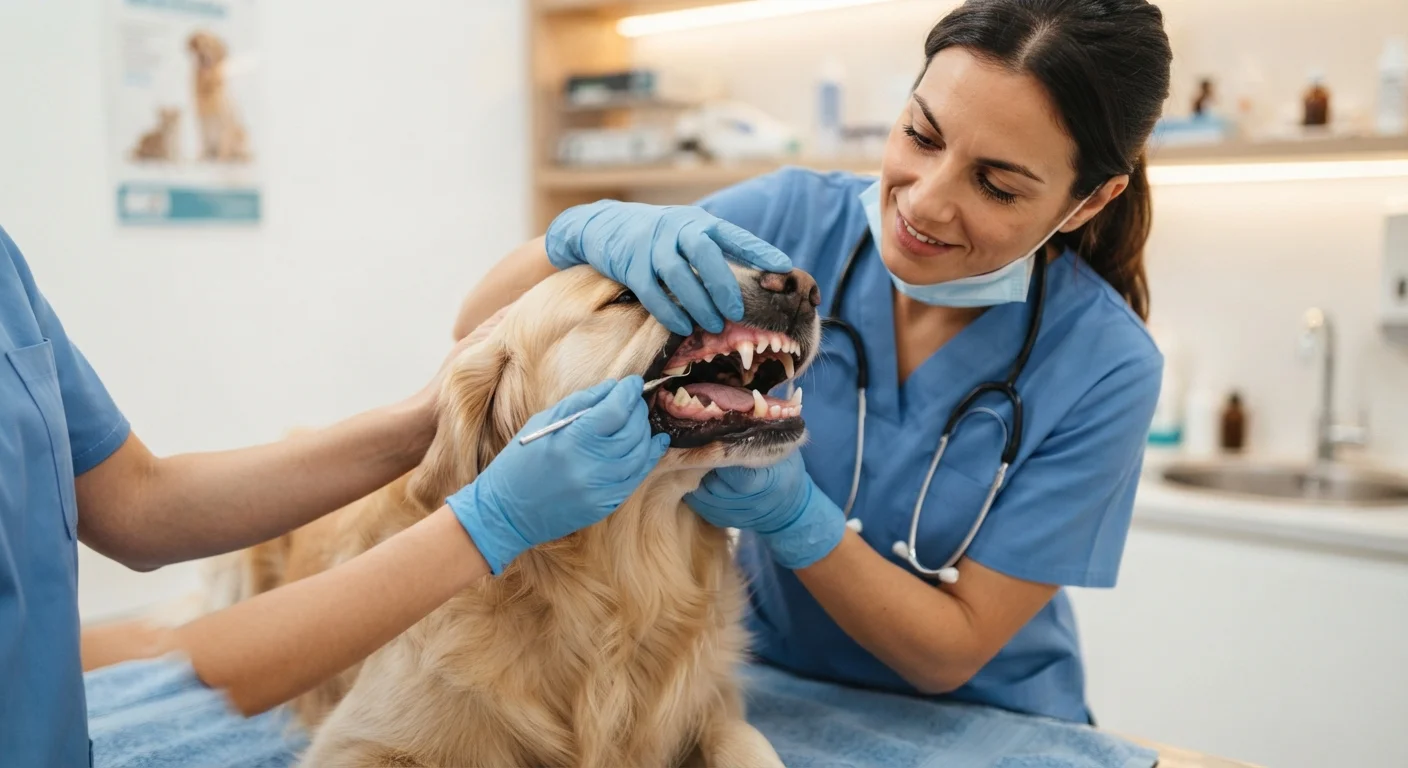
Clinically staged from 1 (early gingivitis) to 4 (severe bone loss and tooth destruction), periodontal disease is diagnosed and graded by a veterinarian, typically under anesthesia for full mouth evaluation.
Why Dental Disease Is the Condition Most Owners Miss
Most pet owners are alert to limping, vomiting, or changes in appetite. Far fewer think regularly about what's happening inside their animals' mouths. Yet periodontal disease — infection of the gums and tooth-supporting structures — is one of the most prevalent health conditions diagnosed in companion animals. Veterinary consensus holds that the majority of dogs and cats show early signs by their third birthday.
The reason it goes undetected so often comes down to biology. Pets are hardwired to conceal discomfort, an instinct rooted in survival. A cat with an infected molar may continue eating and behaving normally until the disease is significantly advanced. A dog may paw at its face or avoid hard chews, signals that are easy to attribute to preference rather than pain. This is why waiting for visible symptoms is rarely a reliable strategy — as explored in our guide on why skipping the vet until something's wrong usually backfires.
~80%
Dogs showing periodontal disease signs by age three
The American Veterinary Medical Association and veterinary dental specialists cite this figure as representative of the adult dog population.
~70%
Cats affected by dental disease by age three
Veterinary dental organizations report similarly high prevalence in cats, with disease often progressing silently.
Stage 1–4
Clinical severity scale used to classify periodontal disease
Veterinary dental specialists use a four-stage system; only Stage 1 (gingivitis) is considered fully reversible with treatment.
How Periodontal Disease Develops
The process begins innocuously. Bacteria naturally present in the mouth combine with food particles and saliva to form plaque — a colorless film that coats the teeth. Without regular removal, plaque mineralizes into tartar (also called calculus) within days. Tartar accumulates below the gumline, where brushing cannot reach, and the body's immune response to the bacteria triggers inflammation known as gingivitis.
At this early stage — Stage 1 — the damage is reversible with professional cleaning and home care. But if left unaddressed, the infection progresses deeper. The ligaments and bone anchoring the teeth begin to degrade. By Stages 3 and 4, pets may experience significant bone loss, tooth loosening, and abscesses. This tissue destruction is permanent.
The implications extend beyond the mouth. Inflamed gum tissue is highly vascularized, meaning bacteria can enter the bloodstream. Studies in veterinary medicine have documented associations between advanced periodontal disease and changes in kidney, liver, and cardiac tissue — though research into the full causal picture is ongoing. Pets with other chronic conditions may be particularly vulnerable; senior pets face compounded risk as immune function and organ reserve decline with age.
Recognizing the Warning Signs
Because pets suppress pain signals, owners should focus on observable physical clues rather than behavioral distress alone. The following warrant a prompt veterinary evaluation:
- Halitosis (bad breath): A mild odor is normal, but persistent foul breath signals bacterial infection, not just diet.
- Visible tartar: Yellow or brown deposits along the gumline, particularly on upper back teeth, are a reliable indicator of accumulation.
- Red, puffy, or bleeding gums: Healthy gum tissue is pink and firm. Inflammation is not normal.
- Dropping food, chewing on one side, or reluctance to eat hard food: These behaviors often indicate oral discomfort.
- Drooling or pawing at the face: Both can signal acute pain from an abscess or advanced disease.
Some of these signals overlap with other health issues — recognizing the broader signs your pet may be in pain can help owners build a fuller picture before a vet visit. When in doubt, err toward scheduling an exam rather than waiting.
Build a Monthly Mouth Check Into Your Routine
Once a month, gently lift your pet's lips and scan the outer surface of the teeth and gum margin. You're looking for tartar buildup, redness, swelling, or any unusual lumps. This habit takes less than 60 seconds and helps you catch changes between annual vet visits. If anything looks off, schedule a veterinary exam rather than waiting for the next scheduled appointment.
Prevention: What Actually Works
The most effective preventive measure — by a considerable margin — is regular tooth brushing. Veterinary dental organizations recommend daily brushing using a soft-bristled brush and pet-safe enzymatic toothpaste. Human toothpaste contains xylitol and fluoride at concentrations toxic to animals and must never be used. Acclimating a puppy or kitten to having its mouth handled early makes the process far less stressful for both animal and owner.
For pets who resist brushing, veterinary-approved dental chews, water additives, and dental diets can provide supplemental benefit — but these are adjuncts, not replacements, for mechanical plaque removal. Look for products that carry the Veterinary Oral Health Council (VOHC) seal, which indicates the product has met pre-set standards for plaque or tartar reduction through controlled study.
Professional cleanings under anesthesia are the only way to fully evaluate and clean below the gumline. Your veterinarian will use pre-anesthetic bloodwork and a physical assessment to determine your pet's fitness for the procedure. Dental care is a core component of routine wellness; our annual pet wellness checklist outlines how to incorporate it into year-round care planning.
Putting Dental Health in the Context of Whole-Pet Wellness
Oral health does not exist in isolation. A pet's mouth is an entry point for systemic disease and a reflection of overall physiological status. Conditions that compromise immune function — nutritional deficiency, chronic stress, poorly managed illness — can accelerate the progression of periodontal disease. Conversely, managing dental disease may reduce the bacterial burden the body's organs are constantly filtering.
Owners who are already attentive to signals like coat quality (explored in what your pet's coat is telling you about their health) or adequate hydration (covered in why water intake matters more than most owners realize) are building the same kind of observational habit that makes dental disease easier to catch early. The mouth is simply one more system to include in that picture.
Preventive investment in dental care — both at home and through regular veterinary visits — is among the more cost-effective choices a pet owner can make. The hidden costs of skipping preventive vet care outlines how untreated conditions typically require far more intensive — and expensive — intervention than early-stage management.
This article provides general educational information about pet dental health and is not a substitute for professional veterinary advice. Consult a licensed veterinarian for guidance specific to your pet's health needs.