

Key Takeaways
Coat as a Health Indicator
A pet's fur, hair, or feathers function as an external mirror of their internal health. Changes in texture, density, shine, or shedding patterns often reflect shifts in nutrition, hormone levels, skin health, or systemic illness. Monitoring your pet's coat is a simple, daily way to catch early warning signs before they develop into serious problems.
Dermatologists and veterinarians refer to coat quality as part of integumentary system assessment — the same system that includes skin, nails, and glands — making it a clinically relevant health checkpoint.
What a Healthy Coat Actually Looks Like
Before identifying problems, it helps to understand the baseline. A healthy coat — whether short, long, curly, or double-layered — should look clean and feel smooth or appropriately textured for the breed. The fur should lie relatively flat, feel neither brittle nor excessively oily, and shed at a predictable seasonal rate rather than in dramatic clumps year-round.
In cats, a well-maintained coat is typically glossy and free of mats. Dogs with healthy coats show a natural sheen without greasiness. For birds, smooth, intact feathers with vibrant coloration indicate good integumentary health. The skin beneath the coat is equally important — it should be neither flaky nor red, and free from bumps or unusual odor.
Understanding what's normal for your specific animal, including breed-typical variations, sets the foundation for noticing when something shifts. Regular hands-on grooming sessions are one of the best ways to track changes early.
Build Coat Checks Into Grooming Sessions
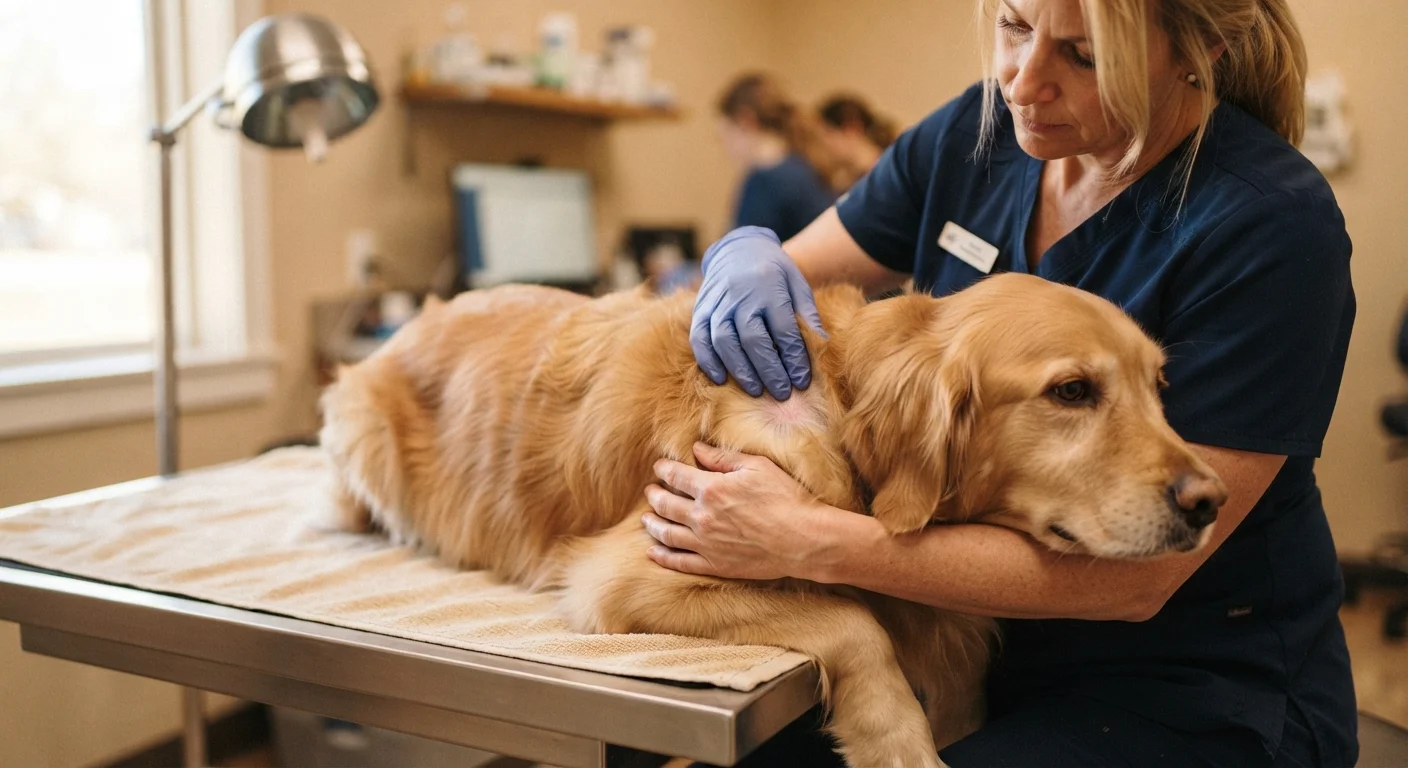
Use brushing and bathing time to systematically examine the skin beneath the fur — part the coat in multiple places to check for redness, flaking, bumps, or parasites. Running your hands along your pet's body regularly helps you notice subtle texture or density changes before they become pronounced. Note anything unusual and mention it at your next veterinary visit.
Nutritional Signals Hidden in Fur
Diet quality has one of the most direct relationships with coat health. Protein is the structural building block of hair, and a diet insufficient in high-quality protein leads to dull, thin, or brittle fur. Omega-3 and omega-6 fatty acids — found naturally in fish, flaxseed, and certain poultry fats — are critical for maintaining the skin barrier and giving fur its luster.
Zinc deficiency can cause flaking, crusty skin, and patchy coat loss, particularly in dogs. Deficiencies in vitamins A and E may impair skin cell turnover and reduce coat density over time. These deficiencies are more common in pets fed unbalanced homemade diets or low-quality commercial foods.
If your pet's coat has declined despite regular grooming, it's worth taking a closer look at what they're eating. See our guide to reading pet food labels to understand whether the diet your pet is eating actually meets their nutritional needs. Always discuss dietary changes with a veterinarian before making adjustments.
~90%
Of coat and skin cases linked to diet or allergy
Veterinary dermatologists estimate the large majority of chronic coat and skin presentations in dogs and cats involve dietary imbalance or allergic reaction as a primary or contributing factor.
1 in 8
Dogs affected by hypothyroidism
Hypothyroidism is one of the most commonly diagnosed endocrine disorders in dogs, and coat changes are among its most recognizable early signs, according to veterinary internal medicine literature.
70%
Of a hair strand composed of protein
Hair and fur are predominantly made of keratin, a structural protein, making dietary protein intake directly relevant to coat integrity across all companion animal species.
Medical Conditions That Affect Coat Quality
Some of the most significant coat changes are driven not by diet but by underlying medical conditions. In dogs, hypothyroidism — an underactive thyroid — is a common culprit behind symmetrical hair thinning, increased shedding, and a dry, coarse coat. Cushing's disease (hyperadrenocorticism), which involves excess cortisol production, can cause hair loss along the trunk and a pot-bellied appearance.
Allergies — whether environmental or food-related — frequently manifest first in the skin and coat. Chronic itching, hot spots, redness, and patchy fur loss around the face, ears, and paws are classic presentations. Mange, a skin condition caused by mites, produces intense itching and significant hair loss and requires veterinary treatment.
In cats, hyperthyroidism can cause unkempt, greasy, or matted fur as the animal becomes too uncomfortable to groom normally. Ringworm, despite its name a fungal infection, causes circular patches of hair loss and is transmissible to humans — another reason to have unexplained bald spots evaluated promptly.
Coat health is interconnected with overall wellness. Pets experiencing pain or illness often show it in their fur before other signs become obvious — much like how dental disease in pets can quietly worsen before owners notice any outward discomfort.
Coat Changes Can Overlap With Behavioral Signs
Stress and anxiety can also affect coat quality in dogs, cats, and birds. Chronic stress elevates cortisol, which disrupts normal skin cell turnover and can trigger or worsen shedding. If your pet's coat changes coincide with a move, a new household member, or other environmental shifts, consider discussing behavioral health alongside physical health with your vet. Boredom and understimulation can similarly manifest in physical symptoms.
Reading the Signals and Knowing When to Act
Not every coat change is an emergency, but certain patterns warrant prompt veterinary attention. Sudden, patchy hair loss — especially in a circular pattern — is more concerning than gradual thinning. Coat changes paired with weight fluctuations, increased thirst or urination, lethargy, or behavioral shifts are particularly important to report, as these combinations can point to systemic illness.
Seasonal shedding and minor dryness in winter months are generally normal. However, if dandruff persists, if the skin smells unusual, or if your pet is scratching or biting at their fur more than usual, don't wait. Early intervention typically leads to better outcomes and avoids compounding skin damage from self-trauma.
Supporting coat health is part of a broader picture of whole-pet wellness. Body condition assessment and coat quality together give veterinarians a more complete view of how an animal is truly doing beyond routine checkups. For personalized guidance on your pet's coat, skin, or nutrition concerns, a licensed veterinarian is the right first contact.
This article is for general informational purposes only and is not a substitute for professional veterinary advice, diagnosis, or treatment. Always consult a qualified veterinarian with any questions you have about your pet's health.