

Key Takeaways
Protective Hairstyle
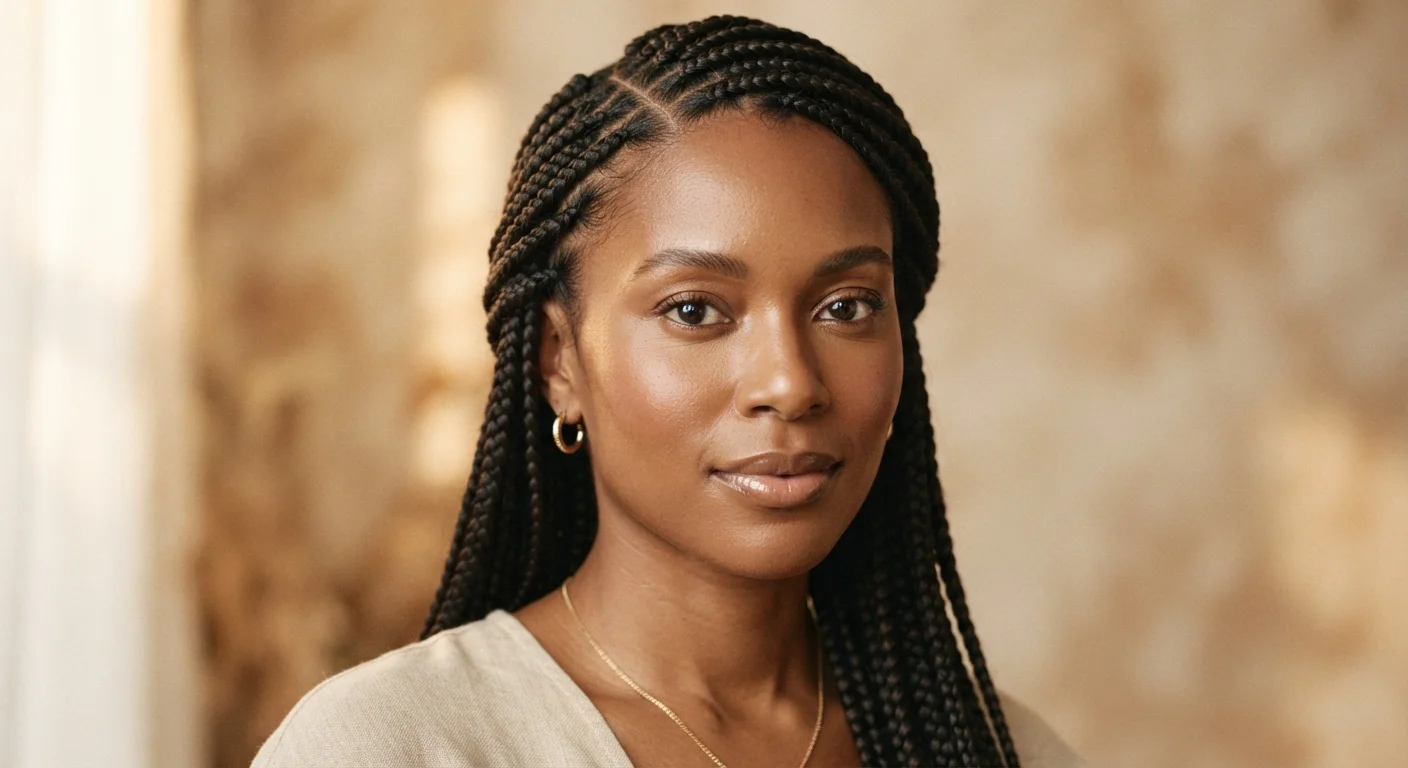
A protective hairstyle is any style that tucks away the ends of your hair — the oldest and most fragile part of each strand — to shield them from everyday wear and tear. Common examples include braids, twists, buns, and updos. The idea is to reduce how often the hair is manipulated, exposed to friction, or stretched, giving it a chance to retain length and moisture.
In hair science, the ends of a strand are the furthest from the scalp's sebum supply, making them structurally weaker and more prone to splitting and breakage. Minimizing mechanical stress on those ends is the core principle behind protective styling.
What Protective Styles Actually Protect Against
The name says it all — but the protection is more specific than most people realize. Protective hairstyles primarily guard against three things:
- Mechanical damage: Daily brushing, detangling, and restyling create friction that chips away at the hair's outer cuticle layer. Fewer manipulation sessions mean less cumulative damage.
- Environmental exposure: Sun, wind, dry air, and even rough pillowcases can all strip moisture from the hair shaft. Tucking the ends away reduces that surface contact.
- Moisture loss: The tips of your hair are the last to receive natural oils from the scalp. Keeping them protected and sealed slows down moisture evaporation.
What protective styles don't protect against is tension on the follicle. A braid that pulls tight at the scalp is putting stress exactly where hair grows — and that kind of chronic strain is a leading cause of traction alopecia, a gradual and sometimes permanent hairline recession. If a style hurts when it's first installed, that's a signal to adjust or take it out.
Protective Styling Is Not Exclusively for One Hair Type
Though protective styling has deep roots in Black hair care traditions — where it serves both cultural and practical purposes — the mechanics apply across hair textures. The specific techniques, products, and tension tolerances will vary, but the underlying principle of reducing manipulation and shielding ends holds broadly true.
Common Types and What Makes Them Work
There's no single right way to protect your hair. The best protective style is one that fits your lifestyle, hair type, and comfort level. Here's a look at the most common categories:
- Braids and twists
- Box braids, cornrows, two-strand twists, and Senegalese twists all tuck the ends inside the style itself, offering strong protection. They work across a range of textures but require proper tension and hydrated hair at installation.
- Buns and updos
- A simple high or low bun keeps ends off clothing and collars. Works well for all hair types. The key is avoiding tight elastics directly on the hair — fabric-covered bands or scrunchies reduce friction at the tie point.
- Wigs and weaves
- When installed on natural hair that's been properly moisturized and braided down, these allow the hair underneath to rest. The protective benefit depends almost entirely on what happens beneath the unit.
For those managing heat-related damage, protective styles offer a natural break from tools. Heat styling practices and protective periods can complement each other when alternated intentionally.
Choose the Right Band for Your Bun
Elastic bands with metal crimps are one of the most common culprits behind breakage at the ponytail. Swap them out for seamless fabric-covered bands or spiral hair ties. For extra care, wrap a small section of hair around the band to avoid any direct elastic contact.
Making a Protective Style Actually Protective
Putting hair in a braid doesn't automatically make it healthy — the details matter. Here's what separates a truly protective style from one that causes new problems:
- Start with clean, moisturized hair. Installing a style on dry or dirty hair locks in dryness. A light leave-in conditioner or moisturizing butter applied before braiding gives the style a better foundation.
- Keep the scalp cared for. Use a nozzle-tip bottle or dropper to apply a lightweight oil or scalp spray directly to the parts every few days. Buildup and dryness don't take a break just because your hair is tucked away.
- Don't skip the takedown. Rushing through removal is one of the most common sources of breakage. Work in sections, use a detangling spray or conditioner to soften tangles, and be patient — especially at the ends.
- Give your hair a recovery week. After removing a long-term style, do a deep conditioning treatment and take a few days before installing a new protective style. Your hair and scalp need time to reset.
If you've heard conflicting things about what protective styling can and can't do, you're not alone. Hair myths are surprisingly stubborn, and protective styles have their share of misunderstandings worth clearing up.
~50%
Hair loss cases linked to traction alopecia
Traction alopecia is estimated to affect up to 31.7% of women with tightly coiled hair, according to a review published in the Journal of the American Academy of Dermatology, highlighting that styling tension is a significant and preventable cause of hair loss.
6–8 weeks
Recommended maximum time for braided styles
Hair care professionals and dermatologists commonly recommend removing most long-term braided or twisted styles within six to eight weeks to prevent matting, scalp buildup, and follicle stress.
~6 inches
Average annual hair growth rate
The American Academy of Dermatology notes that hair grows approximately half an inch per month on average — meaning breakage reduction through protective styling can make a visible difference in retained length over time.
Who Benefits — and When to Reconsider
Protective styles are particularly common in natural hair care communities, and for good reason — coily and kinky textures experience more friction at points of contact and can be more prone to dryness, making length retention genuinely challenging without some form of protection. A complete natural hair care guide covers how protective styling fits into a broader moisture-retention routine for tighter curl patterns.
That said, anyone managing breakage, transitioning between chemical treatments, dealing with seasonal dryness, or simply wanting a low-maintenance period can benefit from protective styles regardless of texture.
When to reconsider or pause protective styling:
- You notice consistent tenderness, bumps, or thinning along the hairline — these can signal traction alopecia and warrant a conversation with a dermatologist.
- Your scalp is consistently itchy, flaky, or inflamed while in a style — this may indicate product buildup, a fungal issue, or sensitivity.
- Your hair feels more matted or tangled after removal than before installation — the style may have been too long-term or too dry.
This article is for general informational purposes only. If you are experiencing scalp pain, hair loss, or persistent irritation, please consult a licensed dermatologist or trichologist for personalized guidance.